
Affiliate disclosure: This article contains affiliate links. If you buy through these links, we may earn a commission at no extra cost to you.
Tinnitus worse when lying down is a common complaint because bedtime removes the background noise that usually competes with ringing, buzzing, hissing, or whooshing during the day. The sound may not actually be louder. Your room is quieter, your mind has fewer distractions, and your head position can sometimes change pressure, jaw tension, neck tension, or blood flow enough to make the noise more noticeable.
That does not mean you should ignore it. Most tinnitus is not dangerous, but new one-sided ringing, pulsing in time with your heartbeat, dizziness, sudden hearing changes, ear pain, or tinnitus after an injury should be checked by a clinician. The goal tonight is simple: lower the contrast between the sound and the room, calm the nervous system, and spot any clues that point to an underlying cause.
Why tinnitus worse when lying down feels louder at night
The biggest reason is contrast. During the day, traffic, conversation, fans, music, work, and movement give your brain other sound input. At night, the room gets quiet. Your auditory system still detects the internal sound, but there is less external sound to mask it. That makes tinnitus feel sharper even when the signal itself has not changed.
Get Weekly Health Tips
Join thousands getting evidence-based wellness insights delivered free every week.
🔒 No spam. Unsubscribe anytime.
Stress can add another layer. If you lie down already worried about sleep, your attention locks onto the sound. Once you start checking whether it is still there, the ringing becomes harder to ignore. This is not imaginary. Attention changes perception. The same faint sound can feel minor while you are busy and unbearable when you are staring at the ceiling.
Head and neck position can matter too. The National Institute on Deafness and Other Communication Disorders notes that moving the head, neck, eyes, or touching certain body areas can temporarily change tinnitus for some people. This is often called somatosensory tinnitus. If your ringing changes when you clench your jaw, turn your neck, press near your jaw joint, or change pillows, muscles and joints may be part of the pattern.
Need a nighttime ear support routine?
AudiSoothe is a tinnitus support formula many readers compare while building a calmer evening routine. It is not a cure, and it should not replace medical care.
Affiliate link disclosure: we may earn a commission at no extra cost to you.
Tinnitus worse when lying down can point to these causes
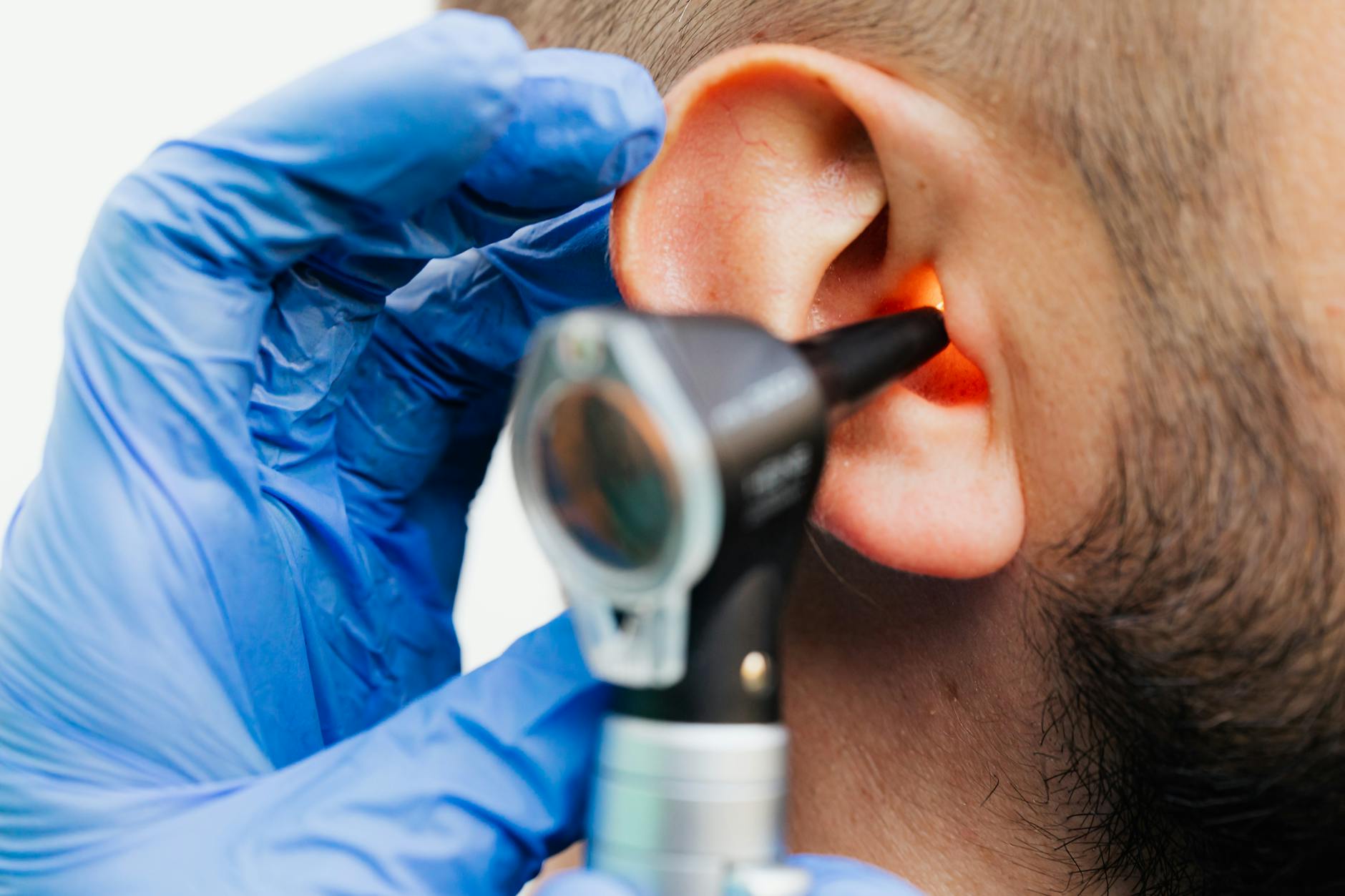
Several causes can become more obvious in bed. Earwax is one of the simpler ones. A blocked ear canal can change how sound is conducted and may make internal noise stand out. Ear infections, fluid behind the eardrum, allergies, and sinus congestion can also create pressure or muffled hearing that makes ringing feel stronger.
Hearing loss is another common link. Tinnitus is strongly associated with hearing changes from age, noise exposure, or both. When the brain receives less sound input from the ear, it may generate or amplify internal noise. This is why a hearing test is often part of a tinnitus evaluation, even if you do not think your hearing has changed.
Medication can play a role. High doses of aspirin or other nonsteroidal anti-inflammatory drugs, certain antibiotics, some chemotherapy medicines, antimalarial drugs, and some antidepressants have been associated with tinnitus. Do not stop a prescribed medication on your own. If the timing lines up, write it down and ask your clinician or pharmacist.
Jaw tension is easy to miss. Clenching, grinding, TMJ irritation, and tight chewing muscles can aggravate ear-area symptoms because the jaw joint sits close to the ear. If your tinnitus changes after chewing, dental work, stress, or morning jaw soreness, a dentist or TMJ-aware clinician may be useful.
Blood pressure and blood vessel issues matter most when the sound is rhythmic. Mayo Clinic notes that pulsing, rushing, or humming sounds can stem from vascular causes and may be noticed when you exercise or change positions, including lying down or standing up. New pulsatile tinnitus deserves medical attention, especially if it is one-sided.
If your tinnitus started after loud noise, protect your ears from more damage. More noise exposure can make symptoms harder to manage. Use hearing protection around tools, concerts, firearms, loud gyms, and yard equipment. Keep headphone volume moderate and take breaks.
What to try tonight when tinnitus worse when lying down keeps you awake
Start with gentle sound. A fan, white noise machine, rainfall track, quiet nature sound, or low-volume bedside speaker can reduce the contrast between the room and the ringing. Keep it soft. The point is not to drown out tinnitus with another loud sound. It is to give your brain something neutral to listen to.
Change your pillow setup for one or two nights. If your tinnitus shifts with neck position, try a pillow that keeps your neck neutral rather than sharply bent. Avoid stacking pillows so high that your jaw and neck feel compressed. If congestion is part of the issue, a slight upper-body elevation may feel better, but keep it comfortable.
Relax your jaw on purpose. Let your teeth separate, rest your tongue lightly on the roof of your mouth, and breathe through your nose if you can. Try a warm compress near the jaw muscles for ten minutes. Skip aggressive jaw stretching unless a clinician has shown you what to do. Gentle is the word here.
Check your evening triggers without turning it into a science project. Alcohol, heavy nicotine use, very salty late meals, poor sleep, and stress can make tinnitus feel more intrusive for some people. Track one or two patterns at a time. If you try to change everything at once, you will not know what helped.
Do not lie in bed fighting the sound for an hour. If you are wide awake, get up for a short, boring reset. Keep lights low. Read something calm, listen to quiet audio, or do slow breathing until sleep pressure returns. This helps your brain stop treating the bed as the place where you battle tinnitus.
Compare support options before bed
If you are already reviewing tinnitus support products, look at the ingredients, refund policy, and safety notes before deciding whether AudiSoothe fits your plan.
Affiliate link disclosure: we may earn a commission at no extra cost to you.
When tinnitus worse when lying down needs medical care
Book a medical visit if tinnitus is new, persistent, one-sided, worsening, or paired with hearing loss. Seek urgent care for sudden hearing loss, severe dizziness, facial weakness, neurological symptoms, or tinnitus after a head or neck injury. These are not wait-and-see symptoms.
Pulsatile tinnitus is the other big red flag. If the sound beats with your heartbeat, especially at night when the room is quiet, ask a clinician about it. Harvard Health notes that pulsatile tinnitus can be more noticeable in bed and should be evaluated because, rarely, it can signal a blood vessel problem or another condition that needs treatment.
A clinician may examine your ears, review medications, check blood pressure, order a hearing test, or refer you to an audiologist or ear, nose, and throat specialist. Depending on the pattern, they may also look at jaw issues, neck problems, anemia, thyroid disease, migraines, or other health conditions linked with tinnitus.
Longer term relief options for tinnitus worse when lying down
If tinnitus keeps disrupting sleep, ask about evidence-based management rather than chasing a guaranteed cure. NIDCD states that there is currently no cure for tinnitus, but symptom burden can often be reduced. Sound therapy, hearing aids when hearing loss is present, and behavioral therapies are common options.
Cognitive behavioral therapy does not pretend the sound is fake. It helps reduce the fear, frustration, and hyper-focus that make tinnitus feel bigger. For many people, that is the difference between noticing the sound and being controlled by it.
Hearing aids can help when tinnitus is tied to hearing loss. They increase access to external sound, which may reduce how much the brain focuses on internal noise. Some hearing aids also include sound therapy programs. An audiologist can test whether this fits your situation.
Protecting sleep is part of treatment. Keep a steady wake time, get morning light, limit late caffeine, and make the bedroom less silent. A quiet room sounds peaceful until tinnitus fills the space. A little neutral sound can make the night feel less hostile.
Bottom line on tinnitus worse when lying down
Tinnitus worse when lying down is usually a mix of quiet-room contrast, attention, stress, and sometimes head position, jaw tension, congestion, hearing loss, medication effects, or blood flow changes. The practical move is to add gentle background sound, reduce jaw and neck strain, protect your hearing, and get checked if the pattern is new, one-sided, pulsatile, or paired with other symptoms.
You do not need to solve every cause tonight. Make the room less silent, give your nervous system a calmer target, and write down the clues you notice. That gives you a better night now and a cleaner conversation with a clinician if you need one.
Build a calmer tinnitus routine
AudiSoothe may be worth comparing as part of a broader plan that includes sound therapy, hearing protection, and medical guidance when symptoms change.
Affiliate link disclosure: we may earn a commission at no extra cost to you.
Research sources
- NIDCD: What Is Tinnitus? Causes and Treatment
- Mayo Clinic: Tinnitus diagnosis and treatment
- MedlinePlus: Tinnitus
- Harvard Health: Tinnitus and what to do about it