

This article contains affiliate links. If you purchase through these links, we may earn a commission at no extra cost to you. Full disclosure
Does your tinnitus seem louder in the morning? You’re not alone.
Many people find that tinnitus gets worse after sleeping -especially first thing upon waking. The reasons can vary, but most involve changes in pressure, hormone levels, and circulation that happen overnight.
When you sleep, fluid can shift around your inner ear, cortisol levels spike around dawn, and your sleeping posture can compress the neck or jaw-aggravating nerve sensitivity. All of this adds up to louder, sharper ringing for some people right after they wake up.
📚 Research Sources
⭐ Struggling with Tinnitus?
Discover evidence-based approaches and natural supplements that may help manage tinnitus symptoms and support auditory health.
*Individual results may vary. This site contains affiliate links.
Here’s what the research shows about exactly why your ears might ring more after rest-and how to wake up with less noise.
Cortisol, Sleep, and Tinnitus Reactivity
One reason tinnitus gets worse after sleeping has nothing to do with your ears, and everything to do with your hormones.
Get Weekly Health Tips
Join thousands getting evidence-based wellness insights delivered free every week.
🔒 No spam. Unsubscribe anytime.
Cortisol, your body’s primary stress hormone, naturally spikes in the early morning hours (usually between 4am-7am). This surge helps wake you up, but it also:
- Increases auditory nerve sensitivity
- Boosts inflammation levels
- Reduces blood flow to the inner ear
For people prone to tinnitus, this means the ringing or buzzing may feel louder and more intrusive as soon as they open their eyes.
Women and individuals with adrenal imbalances or chronic stress tend to be especially sensitive to this cortisol-driven reactivity.
- Don’t rush out of bed, sit up slowly
- Try a short breathing or stretching routine
- Use magnesium and B-complex nutrients to support nervous system calm
Next: Common habits that quietly make morning tinnitus worse.
Common Habits That Quietly Make Morning Tinnitus Worse
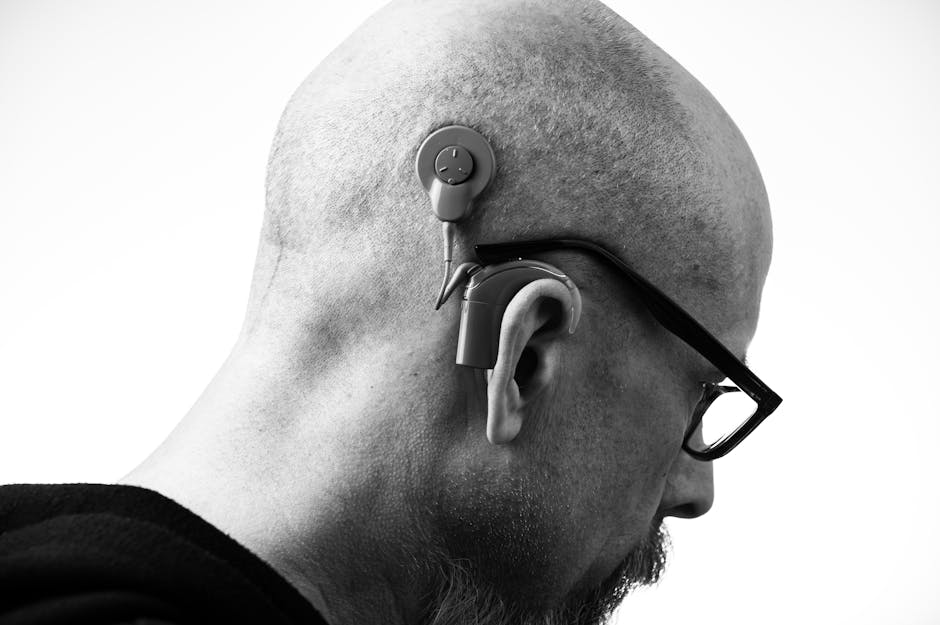
You might be sabotaging your ears before you even start your day, without realizing it. Certain habits can quietly make tinnitus worse after sleeping , even if your nighttime routine is solid.
Here are common morning triggers that worsen inner ear pressure or nerve sensitivity:
- Sleeping on one side all night (increases pressure on one ear)
- Waking up dehydrated (thicker inner ear fluid = more pressure)
- Skipping breakfast (low blood sugar amplifies stress response)
- Caffeine too early (raises cortisol and auditory nerve excitability)
- Not stretching or moving early (sluggish lymphatic flow delays pressure regulation)
You don’t need to overhaul your whole morning, but adjusting these subtle details can go a long way.
🧪 What Our Research Points To
After analyzing the studies and mechanisms discussed above, one natural supplement formulation stands out for its evidence-based approach to auditory health and tinnitus management.
- Clinically-studied ingredients targeting auditory nerve health
- Dosages aligned with published research
- 60-day money-back guarantee - zero risk to try
See Full Ingredient Breakdown →
No subscription required · Affiliate disclosure
The Best Morning Routine to Calm Tinnitus
If your tinnitus gets worse after sleeping , one of the most powerful tools you can use is a consistent, supportive morning routine.
This isn’t about perfection. It’s about resetting pressure, calming your nervous system, and giving your ears a gentle start to the day.
Morning Relief Routine for Tinnitus
- Hydrate right away - 16-20oz water before caffeine
- Stretch or walk for 5-10 minutes - get lymph and blood moving
- Magnesium + B-complex supplement - support nerve calm and cortisol regulation
- Light breakfast with protein - stabilizes blood sugar and mood
- Avoid earbuds or noise exposure for 30-60 mins - let your auditory system ease into the day
This simple ritual lowers reactivity, improves circulation, and balances hormones, all critical for quieting morning ringing.
Next: Final thoughts and your easiest next step toward relief.
Final Thoughts: Morning Tinnitus Doesn’t Have to Stick
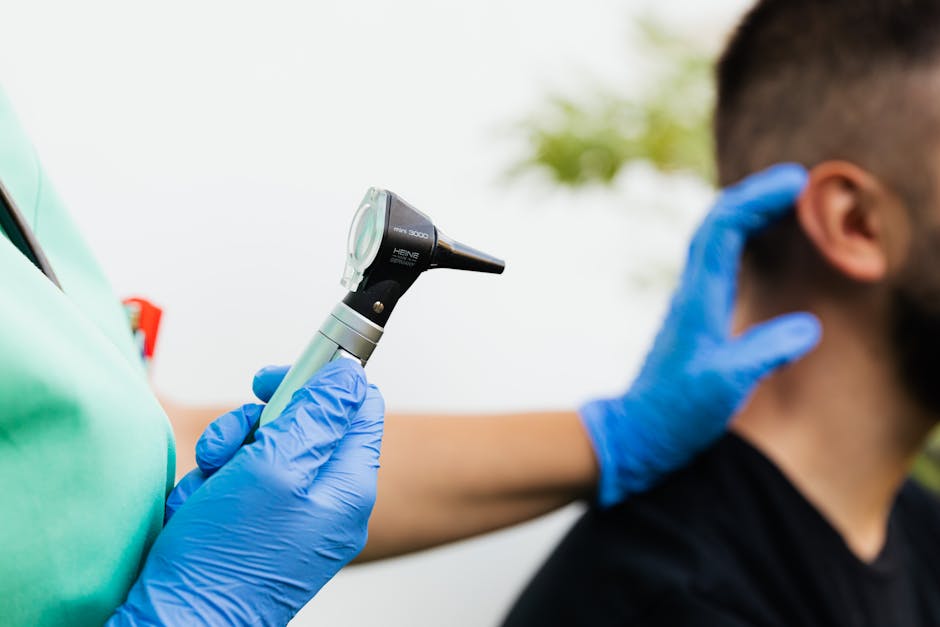
If tinnitus gets worse after sleeping , it’s not just in your head, it’s in your physiology. Fluid pressure, cortisol spikes, jaw tension, and blood sugar crashes can all make your ears more reactive in the early hours.
But with just a few tweaks to your habits and the right nutrients, you can start your day with more clarity and less noise.
This full-spectrum hearing support formula is designed to reduce inflammation, balance inner ear pressure, and calm nerves first thing in the morning.
For more root-cause strategies, don’t miss our Tinnitus Remedies Ultimate Guide .
FAQ: Why Tinnitus Gets Worse After Sleeping
Why does my tinnitus get louder in the morning?
Tinnitus often worsens in the morning due to overnight fluid pressure changes, cortisol spikes, and jaw or neck compression during sleep.
Does sleeping position affect tinnitus?
Yes. Sleeping on one side or with poor pillow support can increase pressure on the ear and tighten surrounding muscles, amplifying symptoms.
What helps calm tinnitus in the morning?
Hydration, stretching, magnesium, light breakfast, and avoiding earbuds for 30-60 minutes all help reduce morning nerve reactivity.
For more tips, visit our Tinnitus Remedies Ultimate Guide .
About Us: The YWHL Editorial Team researches health, wellness, and nutrition topics by analyzing published studies and clinical data. Our goal is to help readers make informed decisions about their health. This content is for educational purposes only - always consult your healthcare provider before starting any supplement or health program.
Some of the links on this site are affiliate links, which means we may earn a commission if you click through and make a purchase, at no additional cost to you. None of the information in this blog is medical advice. It is simply for educational purposes only.
Related Reading
Related Articles
📋 Our Research-Backed Recommendation
After reviewing the research on tinnitus and auditory health, this supplement combines clinically-studied ingredients that target the mechanisms discussed above. Backed by a 60-day money-back guarantee.
*Affiliate link - we may earn a commission at no cost to you. Full disclosure
1 thought on “Why Does Tinnitus Get Worse After Sleeping? (Solved)”
Comments are closed.