
This article contains affiliate links. If you purchase through these links, we may earn a commission at no extra cost to you. Full disclosure
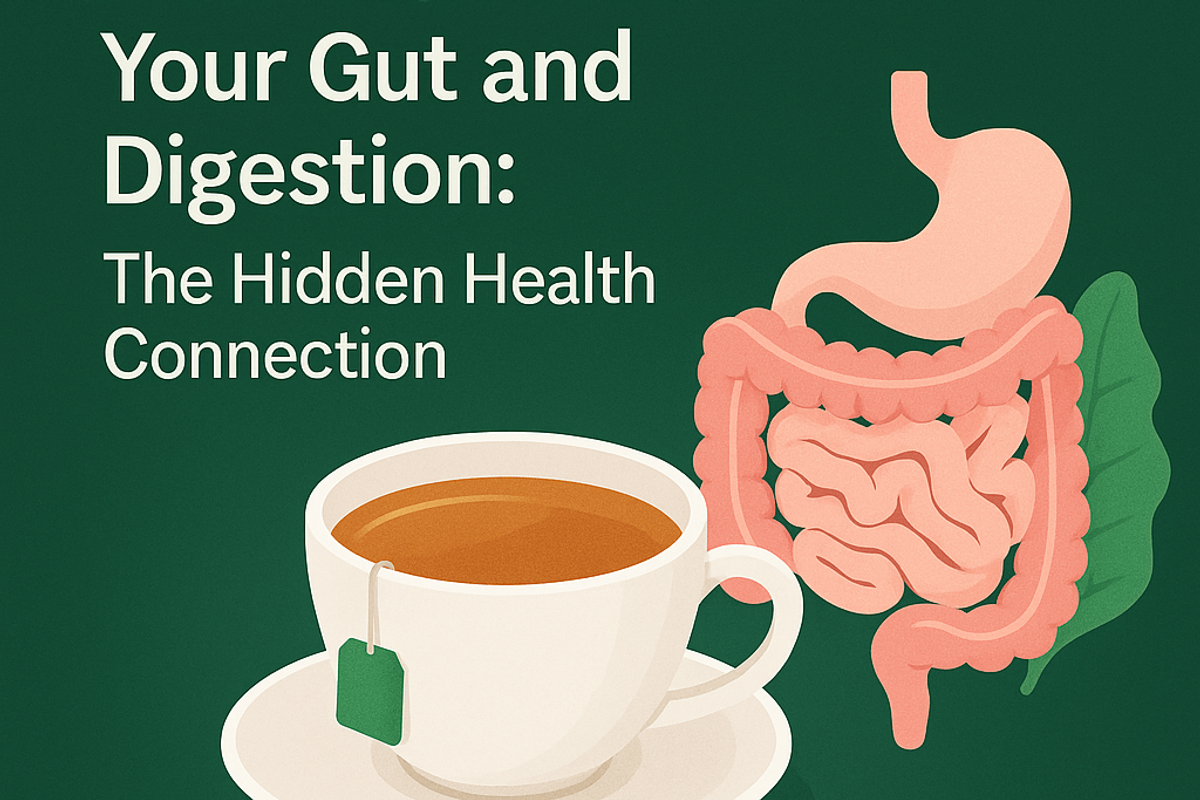
Your gut contains over 100 trillion bacteria and houses 70% of your immune system. It produces 90% of your serotonin. When gut health suffers, everything follows: energy crashes, mood swings, weakened immunity, and stubborn weight gain. A simple daily habit - drinking tea - can significantly transform this internal ecosystem.
📚 Research Sources
⭐ Want to Improve Your Gut Health?
A healthy gut is the foundation of overall wellness. Explore clinically studied probiotics and gut health supplements.
👉 Explore Gut Health Supplements
*Individual results may vary. This site contains affiliate links.
📋 Our Research-Backed Recommendation
After examining the research on the gut-skin axis, this supplement targets digestive health with clinically-studied ingredients. Protected by a 60-day money-back guarantee.
*Affiliate link - we may earn a commission at no cost to you. Full disclosure
The Science Behind Tea and Gut Health
Tea’s impact goes far beyond hydration. The polyphenols in tea act as powerful prebiotics, feeding beneficial gut bacteria. When your microbiome is balanced, you get better digestion, reduced bloating, improved nutrient absorption, and enhanced metabolic function.
Get Weekly Health Tips
Join thousands getting evidence-based wellness insights delivered free every week.
🔒 No spam. Unsubscribe anytime.
Key mechanisms: polyphenols increase Bifidobacteria populations, catechins reduce gut inflammation by up to 40%, antimicrobial compounds inhibit harmful bacteria, and L-theanine modulates the gut-brain axis.
How Different Teas Support Digestion
Green Tea: The Gut Guardian
Green tea supports production of short-chain fatty acids (SCFAs) - fuel for intestinal cells that maintain a healthy gut barrier. This is vital for preventing leaky gut and maintaining optimal digestive health.
Black Tea: The Diversity Enhancer
Black tea’s fermentation creates unique theaflavins and thearubigins that act as powerful prebiotics. A UCLA study found black tea consumption increased beneficial bacteria diversity by 25% within eight weeks. The fermentation compounds also support butyrate production, reducing inflammation and supporting colon health.
Oolong Tea: The Digestive Optimizer
Oolong’s partial fermentation provides a unique blend of green and black tea compounds, offering balanced digestive support.
The Gut-Brain Connection
Your gut and brain communicate constantly through the vagus nerve. This explains why digestive issues often coincide with stress and mood problems. Tea’s L-theanine helps regulate cortisol - reducing stress hormones that disrupt gut bacteria balance. Regular tea consumption can improve digestive comfort by 30% in people with stress-related issues.
Timing for Maximum Benefits

Morning (empty stomach): Green tea + metabolic blend - maximizes prebiotic benefits as polyphenols interact directly with gut bacteria.
Before meals (30 min): Enhances digestive enzyme production.
After meals (1 hour): Supports nutrient absorption. Avoid drinking immediately with meals - tannins can interfere with iron absorption.
Common Digestive Issues Tea Addresses
Bloating: Anti-inflammatory properties calm intestinal inflammation. Carminative compounds prevent gas formation.
Irregular digestion: Gentle caffeine stimulation maintains healthy digestive motility. Supports digestive enzyme production and regular bowel movements.
Nutrient absorption: Polyphenols enhance absorption of certain nutrients while protecting others from oxidative damage during digestion.
Maximizing Tea’s Gut Benefits
Choose organic, whole-leaf teas for higher concentrations of beneficial compounds. Steep 3-5 minutes for optimal polyphenols without excessive tannins.
Temperature matters: 175-185°F for green/white teas, 200-212°F for black/oolong. Too hot destroys compounds; too cool won’t extract them properly.
Rotate different tea types throughout the week to expose your microbiome to diverse beneficial compounds, promoting a more resilient bacterial population.
🧪 What Our Research Points To
In our review of gut-health supplements, one formulation directly addresses the gut-skin connection with research-backed strains and digestive support ingredients.
- Probiotic strains shown to support the gut-skin axis
- Ingredients targeting digestive inflammation
- 60-day money-back guarantee - no risk
See Full Ingredient Breakdown →
No subscription required · Affiliate disclosure
Building Long-Term Gut Health with Tea
Your microbiome responds best to regular, sustained exposure - not sporadic high doses. Aim for 2-3 cups daily, spaced throughout the day. Track changes in energy, digestive comfort, and overall well-being. Most people notice improvements within the first week, with more significant changes after 4-6 weeks.
Tea works as a prebiotic (feeding beneficial bacteria) and pairs well with probiotic-rich foods or supplements for comprehensive gut support.
Frequently Asked Questions
Q: How quickly can tea improve gut health? - A: Initial digestive comfort improvements in 3-7 days. Significant microbiome changes over 4-6 weeks.
Q: Which tea is best for digestion?
A: Green tea offers the most comprehensive benefits due to high polyphenol content. Rotating between types provides maximum diversity.
Q: Can I drink tea with meals?
A: Best 30 minutes before or 1 hour after meals to avoid tannin-iron absorption interference.
Q: How much tea daily?
A: 2-3 cups provides optimal benefits without excessive caffeine.
Q: Does tea help with bloating?
A: Yes. Anti-inflammatory and carminative compounds reduce bloating and gas when consumed regularly.
Q: Can tea replace probiotics?
A: Tea works as a prebiotic (feeds good bacteria) but is most effective combined with probiotic foods or supplements.
Q: Is green tea better than black for digestion?
A: Green tea provides more antioxidants; black tea increases microbial diversity. Both are valuable.
Q: Does brewing temperature matter?
A: Yes. 175-185°F for green tea, 200-212°F for black. Proper temperature maximizes compound extraction.
Q: Can diabetics use tea for gut health?
A: Unsweetened tea supports gut health while helping regulate blood sugar through polyphenol content.
Q: Is organic tea better?
A: Organic tea typically has fewer pesticide residues and higher polyphenol concentrations - preferable for gut health.
About Us: The YWHL Editorial Team researches health, wellness, and nutrition topics by analyzing published studies and clinical data. Our goal is to help readers make informed decisions about their health. This content is for educational purposes only - always consult your healthcare provider before starting any supplement or health program.
Some of the links on this site are affiliate links, which means we may earn a commission if you click through and make a purchase, at no additional cost to you. None of the information in this blog is medical advice. It is simply for educational purposes only.
1 thought on “How Tea Affects Your Gut and Digestion: Science-Backed Benefits”
Comments are closed.