
Disclosure: This article contains affiliate links. If you buy through them, we may earn a commission at no extra cost to you.
How to prevent blood sugar spikes after eating starts with a few boring habits that work better than miracle fixes. Your meal composition matters. The order you eat matters. A short walk matters. If your glucose shoots up after breakfast or you crash hard after lunch, the goal is not perfection. It is a steadier curve that leaves you feeling normal instead of wired, sleepy, and hungry again an hour later.
For most people, post-meal spikes happen when a meal is heavy on refined carbs, low in fiber, eaten fast, or not balanced with enough protein and fat. Stress, poor sleep, and inactivity can make that worse. The good news is that you can lower those swings with practical steps that fit normal life.
Want extra support for digestion and cravings?
Some readers pair the food habits below with BellyFlush, a gut-focused formula often used when bloating, cravings, and irregular digestion make blood sugar-friendly eating harder to stick with.
*Affiliate link - we may earn a commission at no extra cost to you
Why blood sugar spikes after eating happen in the first place
When you eat carbohydrates, your digestive system breaks them down into glucose. That glucose moves into your bloodstream, and insulin helps shuttle it into cells. The bigger and faster that glucose rush is, the bigger the spike tends to be. White bread, sugary drinks, pastries, oversized rice bowls, and low-fiber snacks can all do it.
Get Weekly Health Tips
Join thousands getting evidence-based wellness insights delivered free every week.
🔒 No spam. Unsubscribe anytime.
But food is not the whole story. Sleep loss can lower insulin sensitivity. Stress hormones can push blood sugar higher. Sitting all day means your muscles are not using much glucose. Even a "healthy" meal can cause a sharper rise if it is mostly starch and fruit with barely any protein.
If this is happening to you often, it is worth reading our guide on how to improve insulin sensitivity naturally. Better insulin sensitivity makes every meal easier to handle.
1. Start meals with vegetables or protein instead of starch
One of the simplest ways to prevent blood sugar spikes after eating is to change meal order. Eat non-starchy vegetables first, then protein and fats, then starches last. This slows stomach emptying and can blunt the glucose rise after the meal.
In real life, that means salad before pizza, chicken before rice, or eggs before toast. It sounds almost too simple, but meal sequencing is one of the cleaner habits because it does not require special products or a full diet overhaul.
If you eat breakfast, try Greek yogurt with nuts before fruit, or eggs with avocado before toast. If you eat dinner, start with a side of roasted vegetables or a bean-based soup before the heavier carbs show up.
2. Build every meal around protein, fiber, and healthy fat
A plain bagel hits differently than a meal with eggs, berries, chia seeds, and peanut butter. That is because protein, fiber, and fat slow digestion and spread glucose absorption over a longer window. The result is usually a gentler rise instead of a straight vertical jump.
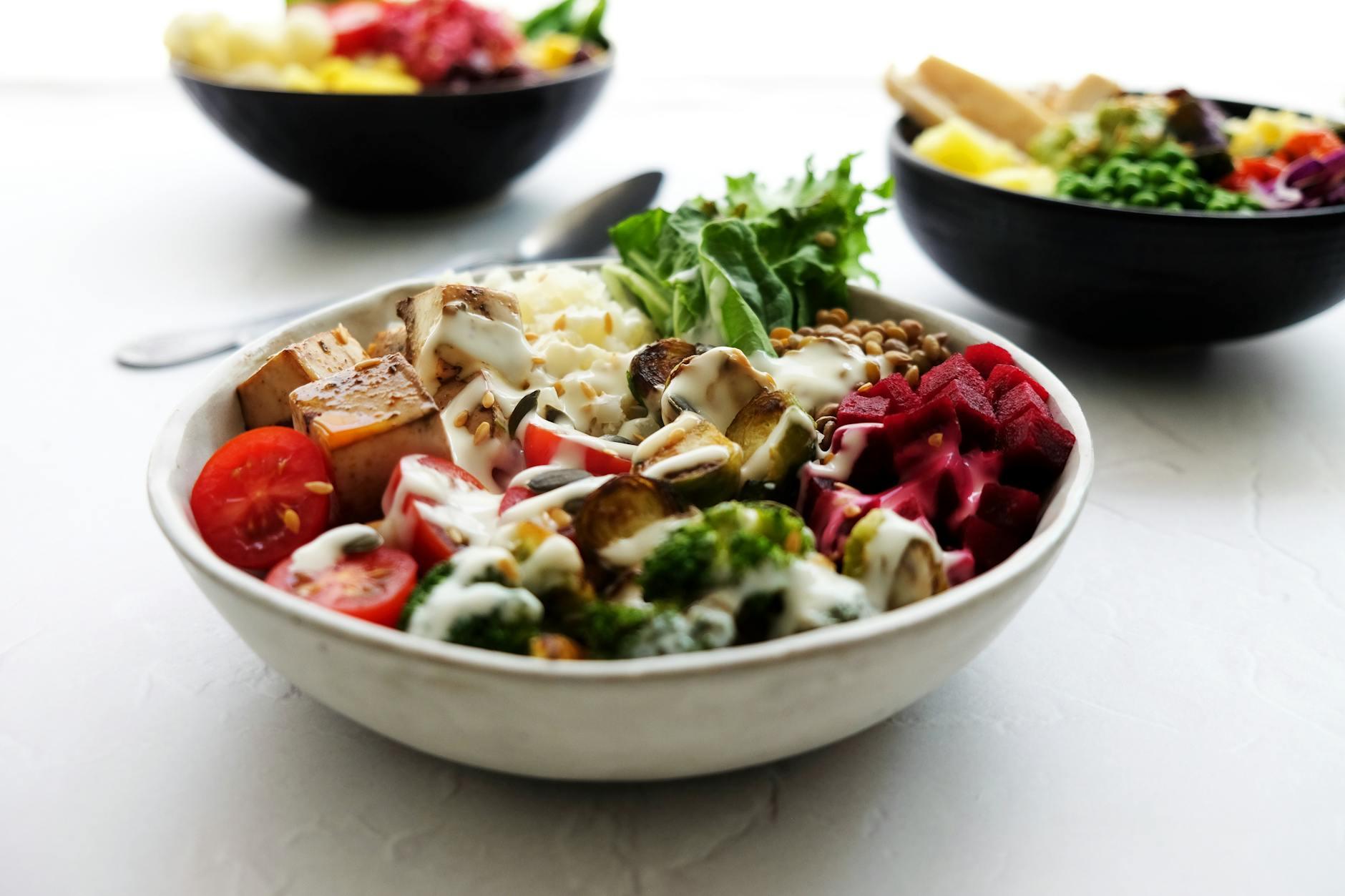
A good shortcut is this: make sure every meal has one strong protein source, one high-fiber plant food, and one source of healthy fat. Protein could be fish, chicken, tofu, Greek yogurt, cottage cheese, or beans. Fiber could be vegetables, lentils, oats, berries, or chia seeds. Fat could be nuts, seeds, olive oil, avocado, or natural nut butter.
This also helps with satiety. When people get a blood sugar spike, they often get the crash too. Then the snack cravings hit. Then the cycle repeats.
3. Choose slower carbs and watch liquid sugar
Not all carbohydrates act the same way. Intact grains, beans, lentils, and high-fiber fruit usually land softer than soda, juice, candy, sugary cereal, or refined baked goods. You do not need to fear carbs. You do need to get pickier about which ones earn a place on your plate.
Liquid sugar deserves special suspicion because it is easy to consume fast and it has almost none of the fiber or chewing that helps slow intake. Coffee drinks, fruit juice, sweet tea, sports drinks, and smoothies loaded with sweeteners can spike glucose faster than a solid meal.
If blood sugar swings are happening often, read can stress and anxiety cause high blood sugar? too. A lot of people chase food fixes while stress is quietly making the whole picture worse.
Struggling with bloating and post-meal cravings?
BellyFlush is one option people look at when digestive discomfort makes it harder to stay consistent with fiber-rich, blood sugar-friendly meals.
*Affiliate link - we may earn a commission at no extra cost to you
4. Take a 10 to 15 minute walk after meals
This one works because your muscles use glucose when they move. You do not need a brutal workout. A short walk after lunch or dinner can help flatten the post-meal rise, especially if you make it a habit.
If walking outside is not realistic, use stairs, pace during a phone call, clean the kitchen, or do a few rounds of bodyweight squats and calf raises. The main thing is not staying completely still right after a carb-heavy meal.
For people who feel sleepy after meals, this is often one of the fastest changes to notice. A short walk can improve both glucose handling and how alert you feel an hour later.
5. Slow down when you eat
Eating fast makes it easier to overeat before your brain catches up. It also tends to go hand in hand with highly processed food, larger bites, and less awareness of fullness. Slower eating will not magically erase the carb load of a dessert, but it can reduce how much you eat and make portion control less miserable.
Try putting the fork down between bites. Drink water. Do not eat straight from a package if you can help it. Build meals that require some chewing. Those tiny frictions matter more than people think.
6. Do not eat carbs by themselves when you can avoid it
A banana by itself may be fine for one person and a quick spike for another. The same banana with Greek yogurt or peanut butter is usually a different experience. Toast alone is one thing. Toast with eggs and avocado is another.
This matters most for snacks. If you are going to have carbs, anchor them with protein or fat. Apple plus cheese. Crackers plus tuna. Oatmeal plus chia and nuts. You are not banning carbs. You are making them less chaotic.
If you also deal with gut symptoms, our piece on gut bacteria imbalance symptoms explains why digestion issues can change how you feel after meals too.
7. Get serious about sleep and stress
This is the part people skip because it feels less concrete than swapping white rice for lentils. But poor sleep and chronic stress can push blood sugar in the wrong direction even when meals look decent on paper. If you are sleeping five hours a night and living in fight-or-flight mode, food strategy alone may not get you where you want to go.
Start with basic stuff that actually happens: a regular bedtime, less late-night scrolling, morning sunlight, fewer giant dinners, and some kind of wind-down routine that does not involve doomscrolling in bed. Stress management can be walking, breath work, journaling, therapy, prayer, or lifting weights. Pick what you will actually repeat.
8. Track your own patterns instead of guessing
The foods that spike one person may not hit the same way for someone else. Portion size, meal timing, sleep, stress, medications, and activity all change the outcome. If you have a glucose meter or continuous glucose monitor, use it to spot patterns instead of relying on internet folklore.
Maybe rice is fine when you eat it after salmon and vegetables but not when it is the whole meal. Maybe oatmeal works if you add protein but sends you crashing when it is sweet and bare. Your body will usually give you better data than generic food lists.
When to talk to a doctor
If you have frequent thirst, blurry vision, unexplained fatigue, numbness, frequent urination, or consistently high readings, get evaluated. Repeated post-meal spikes can be an early sign of insulin resistance, prediabetes, or diabetes. It is better to catch that early than wait until the numbers get louder.
This matters even more if diabetes runs in your family or you have high blood pressure, elevated triglycerides, sleep apnea, or carry excess weight around the midsection. Those risk factors tend to travel together.
Need a simple digestive support option?
If your biggest issue is bloating, irregularity, and feeling out of control around meals, BellyFlush may be worth a look alongside the food and movement habits in this article.
*Affiliate link - we may earn a commission at no extra cost to you
The bottom line on how to prevent blood sugar spikes after eating
Preventing blood sugar spikes after eating usually comes down to stacking small advantages. Eat vegetables or protein first. Pair carbs with protein, fiber, and fat. Walk after meals. Slow down. Sleep more. Stress less. None of that is sexy. All of it works better than chasing hacks.
If you want the shortest version, build a plate that your body can process calmly and move a little after you eat. Do that often enough and your blood sugar curve usually gets a lot less dramatic.