
This article contains affiliate links. If you purchase through these links, we may earn a commission at no extra cost to you.
If you want to know how to increase bone density naturally, here is the short version: your bones respond to what you do every single day. They break down and rebuild constantly. The problem? After your mid-30s, breakdown starts outpacing rebuild. By the time a DEXA scan confirms low bone density, you may have already lost years of skeletal strength.
But most people get this wrong - it is not just about calcium pills and hoping for the best. Research from the Mayo Clinic, PubMed, and frontline sports medicine labs shows that specific lifestyle changes can slow and stop bone loss - and some case studies suggest partial reversal may be possible without medication.
Here are 9 research-backed methods, with actual studies behind each one.
1. Load Your Bones With Resistance Training
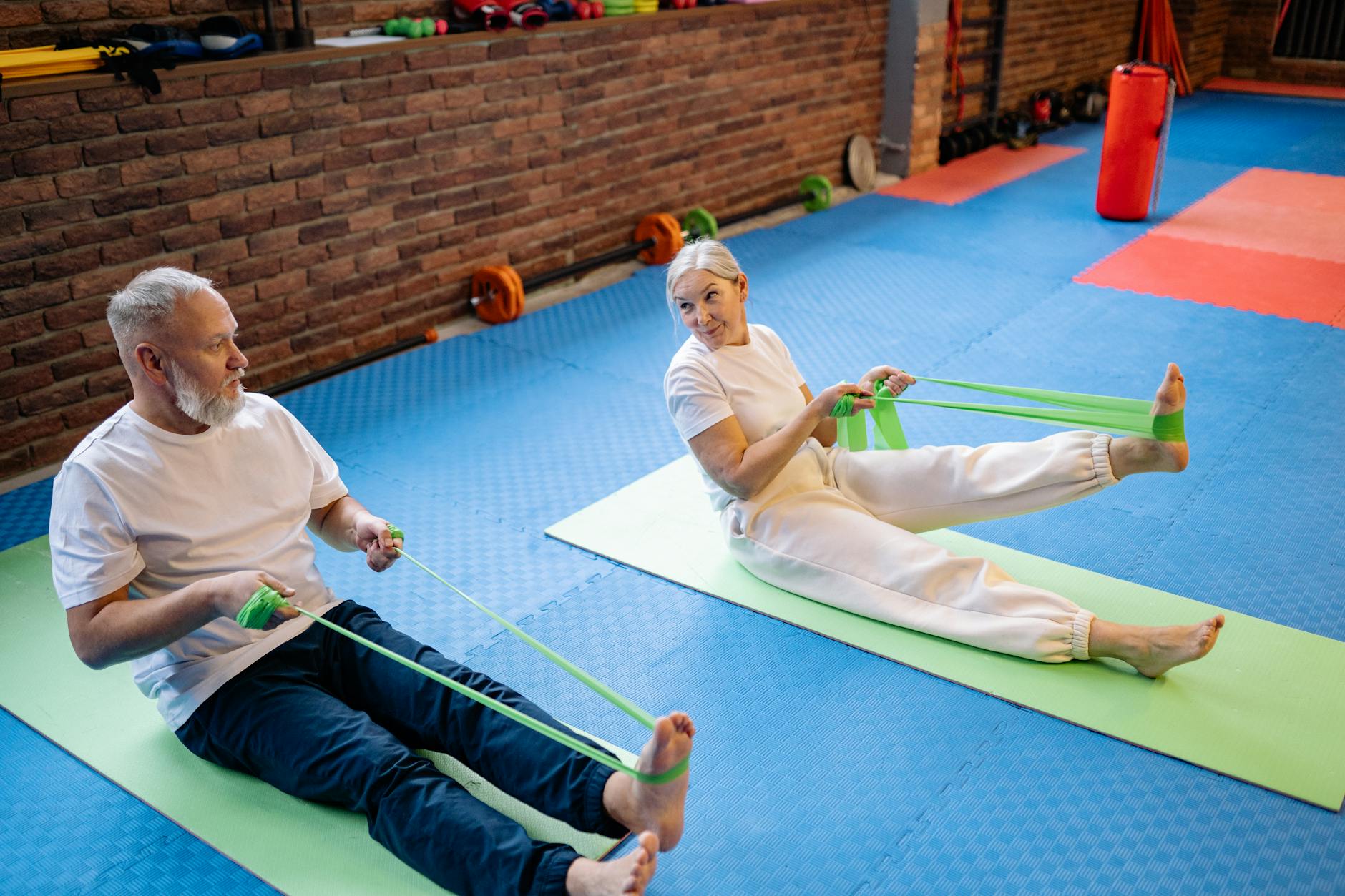
Bones respond to mechanical stress the same way muscles do - they adapt and get stronger. A 2025 systematic review in Frontiers in Physiology found that high-intensity resistance exercise significantly improved bone mineral density in older adults without chronic disease.
Get Weekly Health Tips
Join thousands getting evidence-based wellness insights delivered free every week.
🔒 No spam. Unsubscribe anytime.
The mechanism is straightforward. When you lift something heavy, the pulling force of muscle on bone triggers osteoblasts (bone-building cells) to deposit new mineral. Bodyweight exercises alone often are not enough. You need progressive overload - gradually increasing the weight or resistance over time.
What actually works:
- Squats, deadlifts, and lunges (loaded, not bodyweight-only)
- Overhead presses and rows
- 2-3 sessions per week, 8-12 reps per set
- Machines count too - leg press and seated row are good starting points if free weights feel intimidating
The key detail most articles skip: intensity matters more than frequency. Three hard sessions beat five easy ones.
2. Do Not Overlook Impact Exercise
A meta-analysis in the Journal of Bone and Mineral Research (2023) examined moderate-to-high impact exercise across all age groups. The conclusion? Activities that involve jumping, landing, and quick direction changes consistently improved bone structure - especially at the hip and spine, the two areas most vulnerable to fractures.
This does not mean you need to start doing box jumps tomorrow. Even brisk walking with occasional stair climbing creates enough ground reaction force to stimulate bone remodeling. For younger adults, basketball, tennis, and jump rope are excellent choices. For those over 60, walking uphill and step-ups with a handrail provide impact without excessive fall risk.
Swimming and cycling? Great for your heart. Not particularly useful for your bones. They are non-weight-bearing, so they do not trigger the mechanical loading response bones need.
Want a Structured Bone-Building Plan?
The Bone Density Solution is a step-by-step program designed to help strengthen bones naturally through targeted exercises, nutrition, and lifestyle changes.
Learn About the Bone Density Solution
*Affiliate link - we may earn a commission at no extra cost to you
3. Fix Your Calcium Intake (But Not the Way You Think)
Most people know calcium matters for bones. Fewer people know that how you get calcium matters just as much as how much you get.
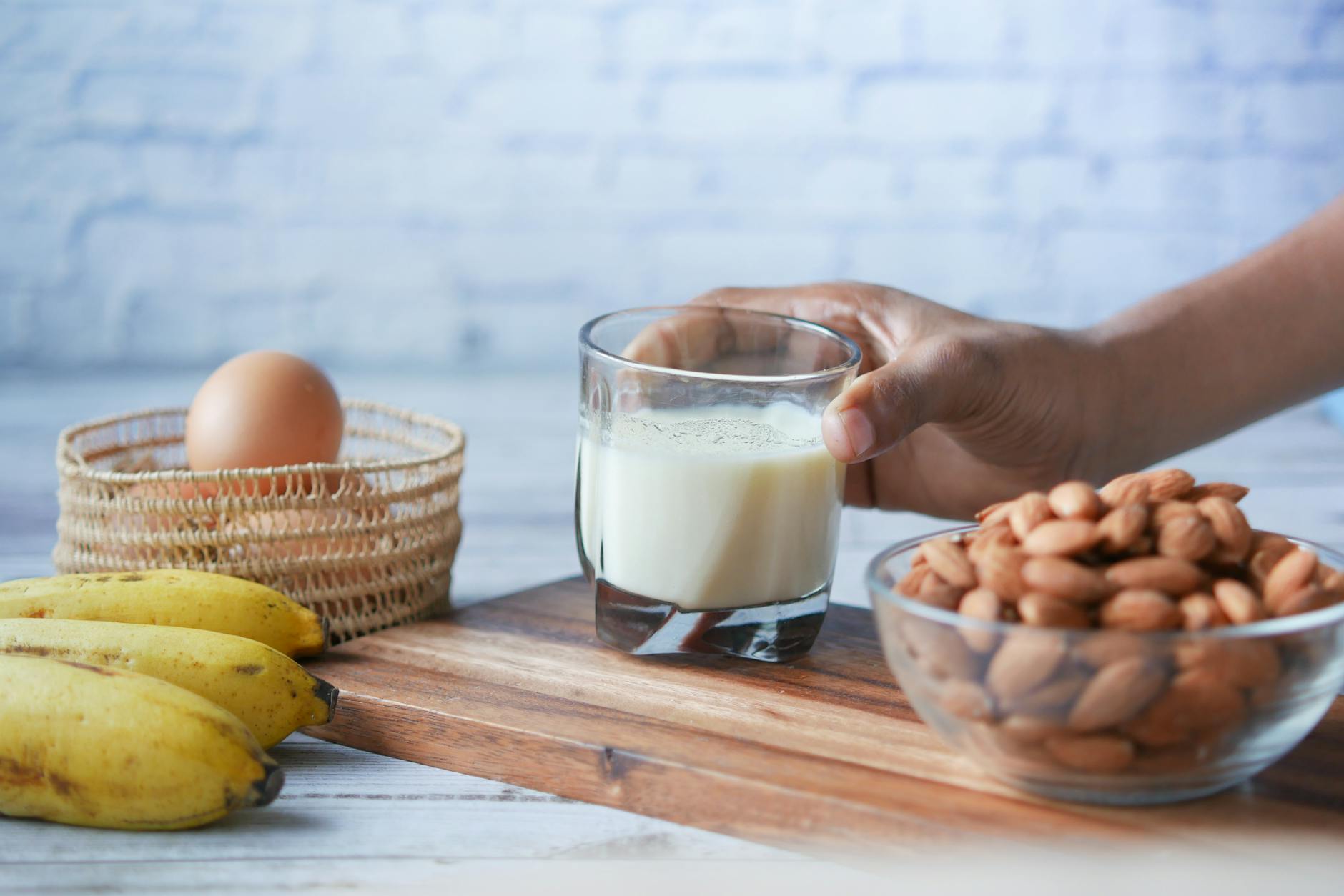
The National Institutes of Health recommend 1,000-1,200 mg of calcium daily for adults. But a 2024 review in Brody's Human Pharmacology highlighted that calcium from food sources is absorbed significantly better than calcium from supplements. Dairy, sardines with bones, fortified plant milks, and leafy greens like kale and bok choy all deliver calcium in a form your body can actually use.
If you do supplement, split the dose. Your body can only absorb about 500 mg of calcium at a time. Taking 1,000 mg in one sitting means roughly half of it passes straight through. Take 500 mg with breakfast and 500 mg with dinner instead.
One more thing: avoid taking calcium supplements at the same time as iron or zinc supplements. They compete for the same absorption pathways.
4. Vitamin D Is Non-Negotiable
Without adequate vitamin D, your body cannot absorb calcium efficiently - no matter how much calcium you consume. It is the gatekeeper nutrient.
The problem is that vitamin D deficiency is staggeringly common. Estimates suggest 40-50% of adults worldwide have insufficient levels. If you live above the 37th parallel (roughly San Francisco or further north), you are not getting enough from sunlight alone between October and March.
Practical targets:
- Get a 25-hydroxyvitamin D blood test (ask your doctor at your next checkup)
- Aim for blood levels of 30-50 ng/mL
- Vitamin D3 (cholecalciferol) absorbs better than D2
- Take it with a fat-containing meal for better absorption
- 1,000-2,000 IU daily is a reasonable maintenance dose for most adults, but your doctor may recommend more if levels are very low
5. Get Enough Protein (Seriously)
This one surprises people. Bone is not just mineral - it is roughly 50% protein by volume. Collagen forms the scaffold that calcium and phosphorus crystalize onto. Without adequate protein, that scaffold weakens.
A case report published in PMC (2024) documented how lifestyle changes including increased protein intake contributed to meaningful reversal of bone mineral density loss. The relationship between diet and body composition runs deeper than most people realize.
The old myth that high protein intake "leaches" calcium from bones has been thoroughly debunked. Current research shows the opposite: higher protein intake is associated with better bone density, especially in older adults.
How much protein? Aim for 0.8-1.2 grams per kilogram of body weight daily. If you weigh 150 pounds (68 kg), that is roughly 55-80 grams per day. Spread it across meals rather than loading it all at dinner.
6. Prioritize Vitamin K2 and Magnesium
Calcium and vitamin D get all the attention. But vitamin K2 and magnesium are the unsung players that make the whole system work.
Vitamin K2 activates osteocalcin, a protein that binds calcium into bone tissue. Without K2, some research suggests calcium may end up depositing in your arteries rather than your skeleton. That is not what you want. Fermented foods like natto (a Japanese soybean dish), hard cheeses, and egg yolks are good dietary sources.
Magnesium, meanwhile, is involved in over 300 enzymatic reactions, including those that regulate calcium transport and bone formation. About 60% of your body's magnesium is stored in bone. If you are interested in the different forms of magnesium supplements and which one to choose, that is worth reading up on separately.
Low magnesium intake is linked to lower bone density in multiple observational studies. Good food sources include pumpkin seeds, almonds, dark chocolate, and spinach.
Build Stronger Bones - Without Medication
The Bone Density Solution combines targeted exercises with nutritional strategies backed by research. Thousands have used it to take control of their bone health.
*Affiliate link - we may earn a commission at no extra cost to you
7. Reduce Bone-Draining Habits
Sometimes what you stop doing matters as much as what you start.
Excessive alcohol consumption (more than 2 drinks per day) directly suppresses osteoblast activity. Heavy drinking also increases cortisol, which accelerates bone breakdown. Moderate drinking (1 drink per day or less) does not appear to cause significant harm, but the line between "fine" and "damaging" is thinner than people assume.
Smoking is unambiguous. It reduces blood flow to bones, interferes with calcium absorption, and lowers estrogen levels in both men and women. If you smoke and are concerned about bone density, quitting will do more for your skeleton than any supplement.
Excessive caffeine (more than 400 mg daily, or roughly 4 cups of coffee) can modestly increase calcium excretion. This is usually not a problem if your calcium intake is adequate, but it is worth noting if you are already running low.
Chronic stress deserves mention too. Cortisol, the stress hormone, directly inhibits bone formation when it stays high for long periods. Managing stress through magnesium supplementation, better sleep habits, and stress reduction techniques can have downstream effects on your bone health.
8. Consider Collagen Supplementation
Collagen makes up about 90% of bone's organic matrix. As you age, collagen production declines - which is part of why bones become more brittle.
Several small studies have shown that collagen peptide supplementation (5-10 grams daily) may support bone mineral density, particularly in postmenopausal women. A 2018 study published in Nutrients found that 12 months of collagen supplementation led to increased bone mineral density at the spine and femoral neck compared to placebo.
The evidence is not as strong as it is for exercise, calcium, and vitamin D. But collagen supplementation has minimal side effects and may provide additional support, especially for those already doing the bigger-ticket items on this list. If you deal with joint stiffness or mobility issues, collagen may help on that front too.
Type I collagen is the one you want for bone health specifically. Look for hydrolyzed collagen peptides, which are easier to absorb.
9. Get a Bone Density Test (So You Know Where You Stand)
You cannot improve what you do not measure. A DEXA scan (dual-energy X-ray absorptiometry) is the gold standard for measuring bone density. It is quick, painless, and exposes you to less radiation than a chest X-ray.
The National Osteoporosis Foundation recommends DEXA scans for all women over 65, men over 70, and anyone with risk factors (family history, early menopause, prolonged corticosteroid use, low body weight, smoking history). If you fall into any of those categories and have never been scanned, it is worth scheduling.
Your results will include a T-score:
- Above -1.0: Normal bone density
- -1.0 to -2.5: Osteopenia (low bone density, not yet osteoporosis)
- Below -2.5: Osteoporosis
If your T-score shows osteopenia, that is actually the best possible time to intervene. You have caught the decline early enough that lifestyle changes can make a real difference. It is far easier to stop bone loss than to rebuild bone that is already severely depleted.
Putting It All Together
Bone density is not one thing. It is the result of dozens of inputs - mechanical loading, nutrition, hormones, habits, and genetics all play a role. You cannot control your genetics, but everything else on this list is within reach.
If you are starting from scratch, prioritize in this order:
- Start resistance training 2-3 times per week
- Get your vitamin D levels checked and corrected
- Hit your daily calcium target through food first, supplements second
- Ensure adequate protein, magnesium, and vitamin K2
- Cut or reduce smoking and excessive alcohol
Small, consistent changes compound over months and years. Bones remodel slowly - you will not see DEXA improvements in 4 weeks. But 6 to 12 months of consistent effort? That is where the research shows real, measurable gains.
Ready to Take Control of Your Bone Health?
The Bone Density Solution provides a complete, natural approach to building and maintaining strong bones - with exercises, recipes, and a clear daily plan.
*Affiliate link - we may earn a commission at no extra cost to you
Research Sources
- Bone Health: Tips to Keep Your Bones Healthy - Mayo Clinic
- Optimization of High-Intensity Resistance Exercise Protocols for Improving Bone Mineral Density - Frontiers in Physiology (2025)
- How to Increase Bone Density Naturally: Methods and Tips - Medical News Today
- Reversal of Bone Mineral Density Loss Through Lifestyle Changes - PMC