
This article contains affiliate links. If you purchase through these links, we may earn a commission at no extra cost to you. Full disclosure
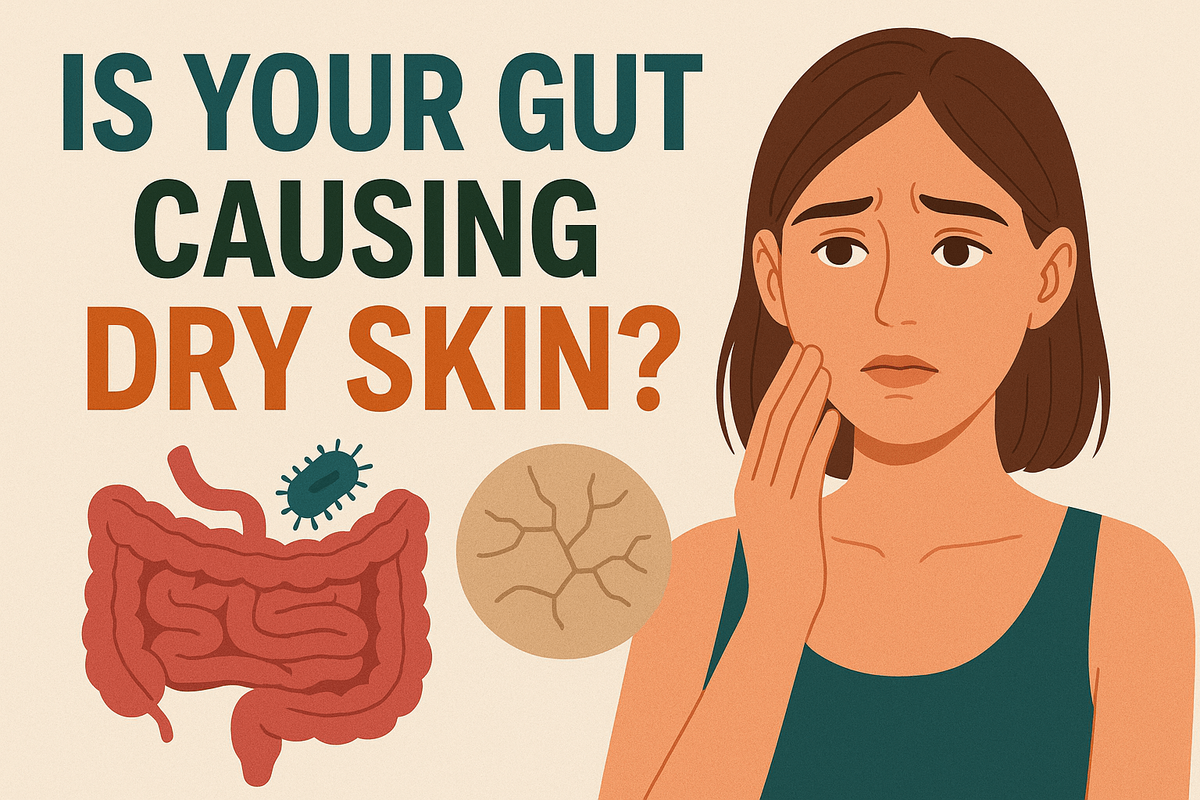
If your skin stays dry despite consistent moisturizing, the problem may not be your skincare routine - it might be your gut. Digestive dysfunction impairs nutrient absorption and skin barrier production, creating persistent dryness that topical treatments can’t fix.
⭐ Want to Improve Your Gut Health?
A healthy gut is the foundation of overall wellness. Explore clinically studied probiotics and gut health supplements.
👉 Explore Gut Health Supplements
*Individual results may vary. This site contains affiliate links.
📋 Our Research-Backed Recommendation
After examining the research on the gut-skin axis, this supplement targets digestive health with clinically-studied ingredients. Protected by a 60-day money-back guarantee.
*Affiliate link - we may earn a commission at no cost to you. Full disclosure
The Hidden Connection Between Gut Health and Skin Hydration
Your digestive system influences skin hydration through nutrient absorption, inflammatory regulation, and production of compounds essential for skin barrier function. When gut health is compromised, these pathways malfunction - causing persistent dryness that doesn’t respond to external treatments.
Get Weekly Health Tips
Join thousands getting evidence-based wellness insights delivered free every week.
🔒 No spam. Unsubscribe anytime.
How Gut Problems Create Dry Skin
Impaired Nutrient Absorption
Gut dysfunction severely impacts absorption of essential fatty acids, fat-soluble vitamins (A, D, E, K), zinc, and biotin. Without these nutrients, your skin can’t produce the lipids and proteins needed to maintain moisture.
Essential fatty acid deficiency - common with poor fat digestion - directly causes dry, flaky skin by reducing the skin’s protective lipid barriers. Vitamin A deficiency impairs cell turnover and barrier function, even when dietary intake is adequate.
Compromised Ceramide Production
Gut bacteria produce compounds supporting ceramide synthesis - the lipids forming your skin’s primary moisture barrier. When beneficial bacteria decline, ceramide production drops, barrier function weakens, and moisture loss increases in a worsening cycle.
Chronic Low-Grade Inflammation
An imbalanced gut creates systemic inflammation that damages skin barrier function and impairs hydration processes. Inflammatory cytokines reduce your skin cells’ ability to produce natural moisturizing factors.
Gut Conditions That Cause Dry Skin
SIBO (Small Intestinal Bacterial Overgrowth)
SIBO impairs absorption of fat-soluble vitamins and essential fatty acids important for skin hydration. The overgrown bacteria also produce inflammatory compounds that directly damage skin barrier function - a double hit that makes dry skin resistant to topical treatments.
Digestive Enzyme Deficiency
Inadequate enzyme production impairs nutrient breakdown and absorption. Lipase deficiency particularly affects fat-soluble vitamin absorption, while protease deficiency limits amino acid availability for skin protein synthesis.
How to Tell If Your Dry Skin Is Gut-Related
Signs it’s gut-related: Dryness persists despite moisturizer use, correlates with digestive symptoms, worsens during digestive stress, and doesn’t respond to humidity changes. Often accompanied by bloating, food sensitivities, fatigue, brittle nails, or hair changes.
The Role of Gut Bacteria in Skin Hydration
Lactobacillus and Bifidobacterium species produce short-chain fatty acids that support skin barrier integrity while reducing inflammation. When these populations decline - from antibiotics, poor diet, or stress - skin hydration suffers as bacterial support systems become inadequate.
Gut Healing Protocol for Dry Skin
Phase 1: Digestive Restoration (Weeks 1-4)
Heal gut barrier function with L-glutamine, zinc carnosine, and omega-3 fatty acids. Eliminate inflammatory foods. Add digestive enzyme supplementation to improve nutrient breakdown and absorption.
Phase 2: Bacterial Rebalancing (Weeks 4-12)
Introduce targeted probiotics - multi-strain formulations with Lactobacillus rhamnosus and Bifidobacterium longum. Add prebiotic foods (diverse fiber sources) to feed beneficial bacteria and promote skin-hydrating compound production.
Phase 3: Long-term Maintenance (Weeks 12+)
Establish sustainable anti-inflammatory nutrition, stress management, and adequate hydration. Monitor both digestive symptoms and skin hydration to catch imbalances early.
🧪 What Our Research Points To
In our review of gut-health supplements, one formulation directly addresses the gut-skin connection with research-backed strains and digestive support ingredients.
- Probiotic strains shown to support the gut-skin axis
- Ingredients targeting digestive inflammation
- 60-day money-back guarantee - no risk
See Full Ingredient Breakdown →
No subscription required · Affiliate disclosure
Nutritional Support
Essential fatty acids (salmon, walnuts, flaxseed) - primary moisture barrier components. Vitamin A (liver, sweet potato, leafy greens) - cell turnover and barrier function. Zinc (oysters, pumpkin seeds, meat) - wound healing and protein synthesis. Vitamin D (sunlight, fatty fish) - immune regulation and barrier function.
Support absorption with bone broth (amino acids for gut repair), healthy fats (avocado, olive oil, nuts), and anti-inflammatory foods (colorful vegetables, berries, herbs).
Lifestyle Factors
Hydration: Adequate water supports gut function and skin moisture, but can’t compensate for gut dysfunction that impairs moisture utilization.
Stress: Chronic stress impacts both gut health and skin hydration through cortisol. Meditation, exercise, and adequate sleep support both gut healing and skin moisture retention.
External care: Continue using gentle, fragrance-free moisturizers for comfort while internal healing progresses. Optimal skin hydration requires both internal gut health and appropriate external care.
For more on gut-related skin issues, see our guide on skin issues caused by gut imbalances and gut health supplements for clearer skin.
Frequently Asked Questions
Q: Can poor gut health really cause dry skin? - A: Yes. Gut dysfunction impairs absorption of nutrients essential for skin hydration and compromises production of barrier compounds.
Q: How do I know if my dry skin is gut-related?
A: It persists despite moisturizers, correlates with digestive symptoms, and doesn’t respond proportionally to environmental factors.
Q: How long until I see improvement?
A: Initial improvements in 4-6 weeks, with significant hydration gains over 8-16 weeks of consistent gut healing.
Q: What nutrients matter most?
A: Essential fatty acids, fat-soluble vitamins (A, D, E, K), zinc, and biotin - all commonly poorly absorbed with gut dysfunction.
Q: Can probiotics help?
A: Yes. Specific strains support skin hydration by producing beneficial metabolites and reducing barrier-damaging inflammation.
Q: Should I stop moisturizing while healing my gut?
A: No. Continue gentle external care for comfort while addressing internal causes. They work in a complementary way.
Q: Is there a connection between constipation and dry skin?
A: Yes. Constipation indicates gut dysfunction that impairs nutrient absorption and increases toxic burden.
Q: Can stress cause both gut problems and dry skin?
A: Absolutely. Chronic stress disrupts gut function while directly impairing skin barrier function.
About Us: The YWHL Editorial Team researches health, wellness, and nutrition topics by analyzing published studies and clinical data. Our goal is to help readers make informed decisions about their health. This content is for educational purposes only - always consult your healthcare provider before starting any supplement or health program.
Some of the links on this site are affiliate links, which means we may earn a commission if you click through and make a purchase, at no additional cost to you. None of the information in this blog is medical advice. It is simply for educational purposes only.
Related Reading
Related Articles
📚 Research Sources
1 thought on “Is Your Gut Causing Dry Skin? The Hidden Connection Explained”
Comments are closed.