
This article contains affiliate links. If you purchase through these links, we may earn a commission at no extra cost to you. Full disclosure
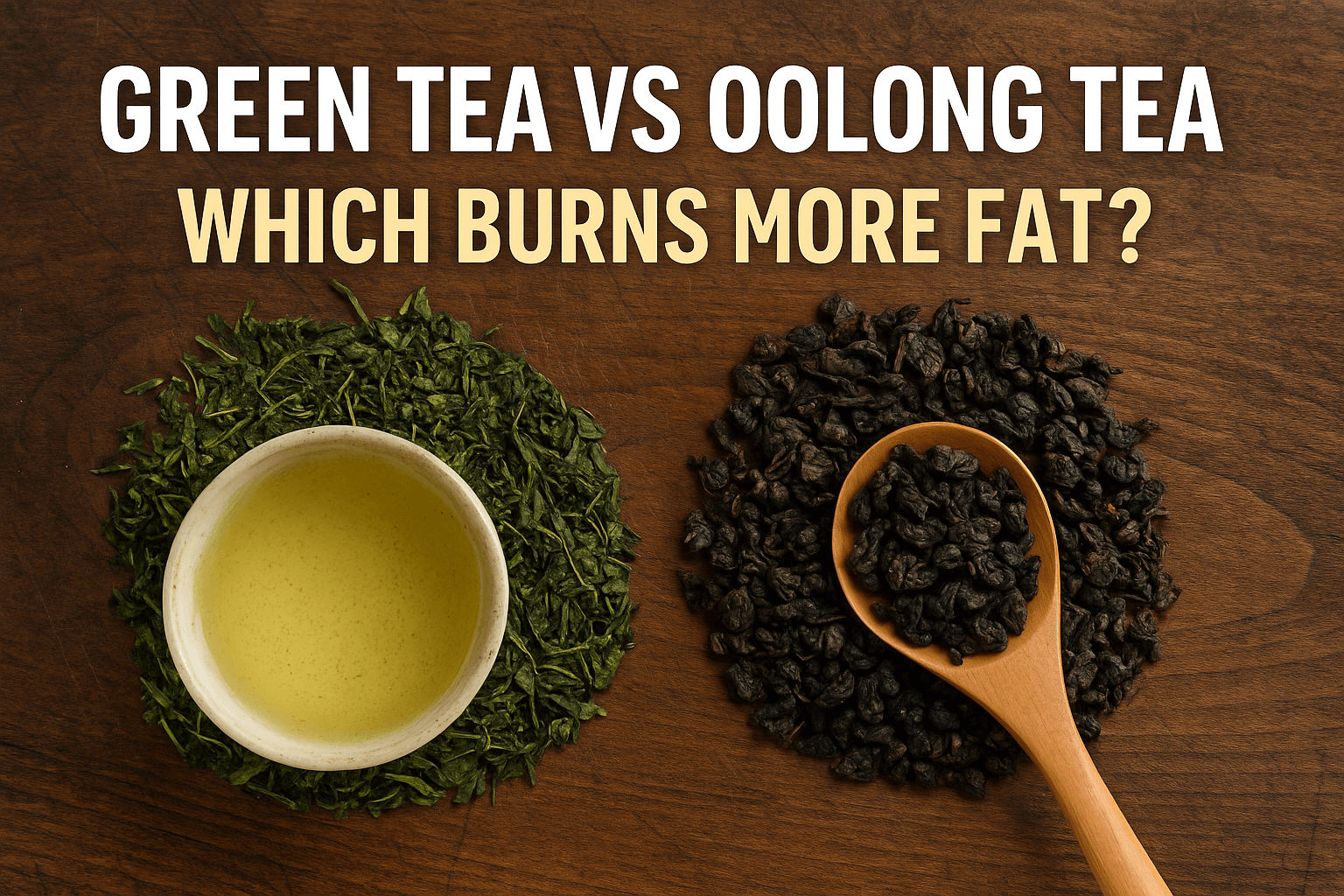
Green tea and oolong tea are the two heavyweights of natural fat burning. Both have centuries of use in Eastern medicine and solid modern research behind them - but they work differently. If you’re trying to lose weight and wondering which one actually burns more fat, here’s what the science says.
📋 Our Research-Backed Recommendation
Based on our analysis of metabolism and weight management research, this supplement uses natural compounds shown to support healthy metabolic function. Try it risk-free with a 60-day guarantee.
*Affiliate link - we may earn a commission at no cost to you. Full disclosure
Green Tea: Why It’s a Fat-Loss Staple
Rich in EGCG
EGCG (epigallocatechin gallate) enhances fat oxidation, especially during moderate exercise. A landmark study in The American Journal of Clinical Nutrition showed green tea extract increased 24-hour energy expenditure by 4% - without diet or exercise changes.
Get Weekly Health Tips
Join thousands getting evidence-based wellness insights delivered free every week.
🔒 No spam. Unsubscribe anytime.
Supports Thermogenesis
Green tea gently stimulates calorie burning through heat production. Works in a complementary way with its natural caffeine for a mild metabolic boost without jitters.
Improves Insulin Sensitivity
May improve insulin function, making it easier to manage appetite and reduce fat storage.
Gut-Friendly
Unlike harsh fat burners, green tea supports digestion and gut health - increasingly linked to fat loss and hormonal regulation.
Oolong Tea: The Unsung Fat-Burning Hero
Oolong is a partially fermented tea sitting between green and black tea. This unique process gives it a distinct polyphenol profile:
Boosts Fat Breakdown
Increases breakdown of stored fat, particularly abdominal fat. A clinical study in Chinese Journal of Integrative Medicine found 6 weeks of oolong tea led to 3.3 kg (7.3 lbs) weight loss and significant body fat reduction in overweight participants.
Moderate Caffeine, Strong Results
Enough caffeine to stimulate metabolism without crashes or anxiety. Natural balance of caffeine and theaflavins maintains fat-burning without overstimulation.
May Reduce Fat Absorption
Some oolong compounds help block dietary fat absorption, reducing total caloric load.
Controls Cravings
Improves insulin sensitivity and gut health, reducing sugar cravings - key for sustainable fat loss.
Key Differences
Caffeine: Green tea has 20-45 mg per cup; oolong has 30-60 mg. Oolong’s higher caffeine may provide a stronger short-term metabolic boost. Green tea’s lower caffeine suits sensitive people or evening use.
Antioxidants: Green tea is higher in catechins (especially EGCG), strongly linked to fat oxidation. Oolong has a broader spectrum from partial fermentation, offering added gut health and cholesterol benefits.
Thermogenesis: Both enhance calorie burning. Green tea combines catechins + caffeine for a sustainable lift. Oolong may sustain fat burning longer due to its unique polyphenol balance.
🧪 What Our Research Points To
Based on the metabolic research we’ve reviewed, one formula combines the thermogenic compounds discussed above into a convenient daily supplement.
- Natural metabolism-boosting ingredients at clinical dosages
- Designed to work with your morning tea or coffee
- 60-day money-back guarantee - try it risk-free
No subscription required · Affiliate disclosure
Which Is Better for Fat Loss?
Both work - in slightly different ways:
- Green tea - gentler metabolic lift, higher antioxidant load, better for caffeine-sensitive people
- Oolong tea - stronger appetite control, slightly more caffeine-driven fat burning, may sustain elevated metabolism longer
The real answer: they’re even better together. Green tea for clean energy and fat oxidation, oolong for appetite control and longer-lasting metabolism boost.
FAQ: Green Tea vs Oolong Tea for Fat Loss
Is oolong better than green tea for weight loss?
Not necessarily. Oolong may have a slightly stronger thermogenic effect, but green tea offers more antioxidants. Many people use both together for best results.
Can I drink them at the same time?
Yes - they work well together and can be safely consumed in the same blend.
Which is better for belly fat?
Both may help. Green tea supports fat oxidation; oolong may regulate lipid metabolism and cravings.
Different side effects?
Green tea is typically easier on the stomach. Oolong has more caffeine - start with smaller servings if sensitive.
About Us: The YWHL Editorial Team researches health, wellness, and nutrition topics by analyzing published studies and clinical data. Our goal is to help readers make informed decisions about their health. This content is for educational purposes only - always consult your healthcare provider before starting any supplement or health program.
Some of the links on this site are affiliate links, which means we may earn a commission if you click through and make a purchase, at no additional cost to you. None of the information in this blog is medical advice. It is simply for educational purposes only.
📚 Research Sources
⭐ Ready to Boost Your Metabolism Naturally?
Tea Burn is a patent-pending, tasteless formula designed to be added to your tea or coffee. It may help support metabolism, energy, and natural fat burning.
*Individual results may vary. This site contains affiliate links.
1 thought on “Green Tea vs Oolong Tea for Fat Loss: Which Burns More?”
Comments are closed.