
Disclosure: This article contains affiliate links. If you buy through these links, we may earn a commission at no extra cost to you.
Foods that increase blood flow usually work in quiet, practical ways: they support nitric oxide production, help blood vessels relax, provide minerals involved in normal blood pressure, or protect the lining of your arteries from oxidative stress. No food is a magic fix for circulation problems, and symptoms like chest pain, one cold foot, leg pain while walking, or sudden numbness deserve medical attention. But if your goal is better everyday circulation support, your plate is a good place to start.
Foods That Increase Blood Flow: The Short Answer
The best foods that increase blood flow tend to fall into a few buckets: nitrate-rich vegetables, potassium-rich produce, magnesium-containing foods, omega-3 sources, and antioxidant-rich fruits. Think beets, arugula, spinach, citrus, berries, salmon, pumpkin seeds, beans, lentils, cocoa, garlic, and olive oil.
Get Weekly Health Tips
Join thousands getting evidence-based wellness insights delivered free every week.
🔒 No spam. Unsubscribe anytime.
These foods do not force circulation to improve overnight. They support systems your body already uses. Nitric oxide helps blood vessels widen. Potassium and magnesium help with normal muscle and vascular function. Antioxidants help protect blood vessels from everyday stress. That is the boring answer, but it is also the useful one.
Want extra nitric oxide support?
Nitric Boost is designed for people focused on circulation, nitric oxide, and healthy blood flow support alongside diet and lifestyle habits.
Affiliate link. We may earn a commission at no extra cost to you.
1. Beets
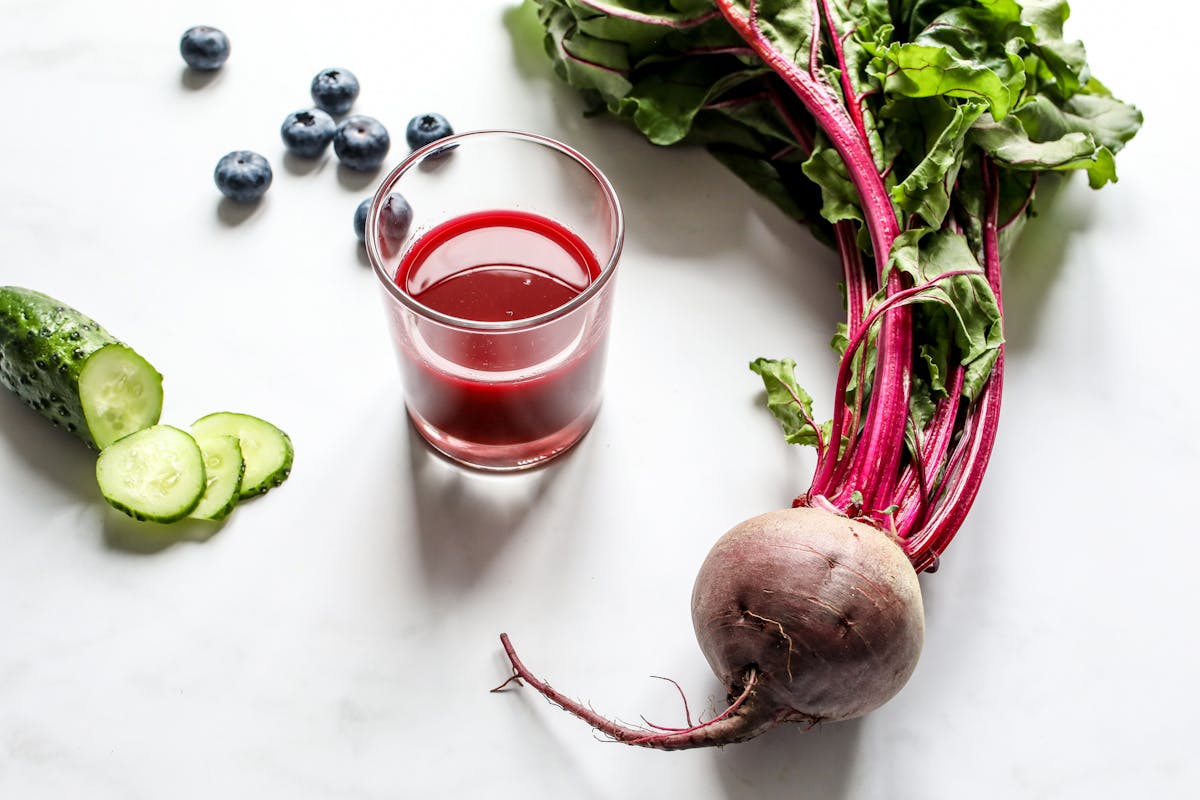
Beets are the obvious starting point because they are naturally rich in dietary nitrates. Your body can convert those nitrates into nitric oxide, a molecule involved in blood vessel relaxation. That is why beetroot shows up so often in conversations about circulation, exercise performance, and blood pressure support.
You do not need to drink beet juice every morning unless you like it. Roasted beets, grated beet salad, and beet powder can all fit. If you take blood pressure medication or have kidney stone concerns, ask your clinician before going heavy on beet products.
2. Arugula, Spinach, and Leafy Greens
Leafy greens are another nitrate-friendly group. Arugula, spinach, lettuce, and watercress are easy to add to meals without changing your whole diet. A handful of arugula on eggs, spinach in a smoothie, or a side salad with dinner is enough to make the habit realistic.
Greens also bring potassium, magnesium, folate, and polyphenols. If you are already reading about how to increase blood flow to hands naturally, this is one of the food categories worth keeping in rotation.
3. Citrus Fruit
Oranges, grapefruit, lemons, and limes provide vitamin C and flavonoids. They are not circulation medicine, but they support blood vessel health in a broader heart-healthy diet. Citrus also makes it easier to eat more vegetables because acid makes food taste better. A squeeze of lemon over greens or fish can turn a plain meal into something you will actually repeat.
One caution: grapefruit interacts with several medications. If you take prescriptions for blood pressure, cholesterol, heart rhythm, or anxiety, check the label or ask a pharmacist before making grapefruit a daily habit.
4. Berries
Blueberries, strawberries, raspberries, and blackberries are rich in polyphenols, the plant compounds often linked with vascular and heart health research. They are also easy. Add them to Greek yogurt, oatmeal, or a protein smoothie and you have a circulation-friendly breakfast that does not feel like a punishment.
The real win is replacing a low-nutrient snack with something that gives you fiber and color. Blood flow is not just about one ingredient. It is about the overall pattern.
5. Salmon, Sardines, and Other Fatty Fish
Fatty fish provide omega-3 fats, especially EPA and DHA. These fats are best known for heart health support. They may also support healthy blood vessel function as part of a balanced diet. Salmon is the easiest entry point for most people, but sardines are cheaper, shelf-stable, and surprisingly good with lemon, olive oil, and crackers.
If fish is not your thing, talk with a clinician about whether an omega-3 supplement makes sense for you, especially if you take blood thinners or have surgery coming up.
6. Pumpkin Seeds, Almonds, and Magnesium Foods
Magnesium is involved in normal muscle and nerve function, blood pressure regulation, and energy production. Pumpkin seeds, almonds, cashews, black beans, spinach, and dark chocolate all contain magnesium. That does not mean magnesium fixes poor circulation, but low intake can make it harder for your body to run smoothly.
For a deeper mineral breakdown, this guide on magnesium and potassium together explains why both nutrients matter and when to be careful.
Pair food habits with targeted support
If you are already eating more nitrate-rich vegetables, Nitric Boost may fit as an added nitric oxide support option.
Affiliate link. We may earn a commission at no extra cost to you.
7. Beans and Lentils
Beans and lentils are not glamorous, which is probably why they get ignored. They bring fiber, magnesium, potassium, and plant protein. They also help make meals more filling, which matters if you are trying to improve circulation while also managing weight, blood sugar, or blood pressure.
Start small if your gut is not used to them. Half a cup of lentil soup or black beans with rice is plenty. Rinse canned beans to cut sodium.
8. Garlic
Garlic has a long history in heart-health diets, and it is useful for a simpler reason too: it makes vegetables, beans, fish, and olive oil taste better. If the food tastes good, you will eat it again. That consistency matters more than chasing one perfect circulation food.
Garlic supplements can interact with blood thinners and may not be right before surgery. Food amounts are usually a gentler place to start.
9. Cocoa and Dark Chocolate
Cocoa contains flavanols, plant compounds studied for vascular function. The catch is sugar. A small square of dark chocolate or unsweetened cocoa in a smoothie is different from a candy bar. Look for higher cocoa percentages and keep portions normal.
If you enjoy cocoa, it can be a nice swap for a dessert that gives you nothing back. Small upgrade. Easy win.
10. Extra Virgin Olive Oil
Olive oil is a staple in many heart-healthy eating patterns. Use it with vegetables, beans, fish, and salads. It helps you absorb fat-soluble nutrients and makes whole foods more satisfying.
The point is not to pour oil over everything. It is to replace less helpful fats and ultra-processed sauces with something simple and reliable.
How to Build a Blood Flow Friendly Plate
A practical plate might look like salmon, roasted beets, arugula salad with citrus, lentils, and olive oil. Another version: black bean tacos with spinach, avocado, salsa, and a side of berries. Breakfast could be Greek yogurt with berries and pumpkin seeds, or eggs with arugula and citrus on the side.
If your main concern is your legs, pair the food work with movement. Walking, calf raises, hydration, and not sitting for long stretches can matter a lot. This article on improving circulation in legs naturally covers the movement side in more detail.
When Food Is Not Enough
Food can support healthy circulation, but it cannot diagnose or treat vascular disease. Get medical help quickly if you have chest pain, shortness of breath, sudden weakness, one-sided numbness, a foot that is cold and pale, wounds that will not heal, or calf pain that shows up during walking and improves with rest.
Also be careful with supplements if you take nitrates, blood pressure medication, erectile dysfunction medication, blood thinners, or heart medication. More blood-flow support is not always better. Sometimes it is risky.
Foods That Increase Blood Flow: Bottom Line
The best foods that increase blood flow are ordinary foods you can eat often: beets, leafy greens, citrus, berries, fatty fish, beans, lentils, pumpkin seeds, garlic, cocoa, and olive oil. Build meals around those foods, move daily, and pay attention to symptoms that deserve a clinician.
If you want a simple next step, add one nitrate-rich vegetable and one magnesium-rich food to your meals today. That is enough to start.
Support your nitric oxide routine
Nitric Boost is a circulation-focused formula to consider if nitric oxide support is part of your health plan.
Affiliate link. We may earn a commission at no extra cost to you.