
This post contains affiliate links. If you purchase through these links, we may earn a commission at no extra cost to you. See our disclosure policy for details.
That persistent ringing, buzzing, or hissing in your ears? About 50 million Americans deal with it. And while there is no single cure for tinnitus, growing research suggests your plate might play a bigger role than you think. A 2025 study published in BMJ found that higher fruit intake was linked to lower tinnitus risk in women tracked over two decades. Other research points to specific nutrients - zinc, magnesium, omega-3 fatty acids - as potential players in ear health.
So what should you actually eat? And what should you cut back on? Here is what the science says.
7 Foods That May Help Reduce Tinnitus Symptoms
1. Fatty Fish (Salmon, Mackerel, Sardines)
Omega-3 fatty acids are some of nature’s strongest anti-inflammatory compounds, and inflammation is one suspected driver behind tinnitus. A study in the American Journal of Clinical Nutrition found that women who ate two or more servings of fish per week had a 20% lower risk of hearing loss compared to those who rarely ate fish.
Get Weekly Health Tips
Join thousands getting evidence-based wellness insights delivered free every week.
🔒 No spam. Unsubscribe anytime.
Salmon, mackerel, and sardines are some of the richest sources. Even canned sardines count. Aim for two to three servings per week.
2. Bananas and Potassium-Rich Fruits
Potassium helps regulate fluid balance in your inner ear. The cochlea (the spiral-shaped organ responsible for hearing) depends on proper fluid levels to transmit sound signals to your brain. When potassium drops, that fluid balance shifts, and some researchers believe this can worsen tinnitus.
Bananas are the obvious choice, but sweet potatoes, avocados, and cantaloupe are also loaded with potassium.
3. Spinach and Leafy Greens
Dark leafy greens are packed with magnesium and folate, both of which support healthy blood flow to the inner ear. A study from the International Journal of Audiology found that magnesium supplementation reduced the severity of noise-induced tinnitus in participants exposed to loud sounds.
Spinach, kale, and Swiss chard are easy to add to smoothies, salads, or stir-fries. One cup of cooked spinach delivers about 157 mg of magnesium, roughly 37% of the daily recommended value.
4. Pumpkin Seeds and Zinc-Rich Foods
Zinc plays a role in cell repair and immune function, and some research suggests it may help with tinnitus. A clinical trial published in Otology and Neurotology found that zinc supplementation improved tinnitus symptoms in patients who were zinc-deficient.
Pumpkin seeds are one of the best plant-based zinc sources. One ounce gives you about 2.2 mg. Other options include shellfish (especially oysters), chickpeas, and lentils.
5. Berries and High-Antioxidant Fruits
The 2025 study that made headlines found something interesting: higher fruit consumption, particularly berries and citrus fruits, was associated with reduced tinnitus risk. Researchers believe the antioxidants in these fruits protect the delicate hair cells in your inner ear from oxidative damage.
Blueberries, strawberries, and blackberries are especially rich in anthocyanins, a type of antioxidant linked to improved circulation. Fresh or frozen, both work.
6. Whole Grains (Brown Rice, Oats, Quinoa)
Whole grains improve blood flow and help stabilize blood sugar, both relevant to ear health. Poor circulation to the cochlea can starve it of oxygen and nutrients, potentially worsening tinnitus. And blood sugar spikes? They can trigger inflammation throughout the body, including in the auditory system.
Swap white bread and pasta for brown rice, steel-cut oats, or quinoa. Your ears (and the rest of your body) will thank you.
7. Garlic and Ginger
Both garlic and ginger have well-documented anti-inflammatory and circulation-boosting properties. While no study has tested them specifically for tinnitus, improved blood flow to the inner ear is a common recommendation from audiologists for managing symptoms.
Fresh garlic (crushed and left to sit for 10 minutes before cooking to activate allicin) and fresh ginger root in teas or stir-fries are simple additions to any meal.
Want Extra Support for Your Ears?
While diet is a great foundation, some people find that targeted ear health supplements provide additional relief. This science-backed formula was designed specifically for tinnitus support.
*Affiliate link - we may earn a commission at no extra cost to you
Foods That Can Make Tinnitus Worse
Not everything on your plate helps. Some common foods and ingredients are known to aggravate tinnitus symptoms in many people.
Salt and High-Sodium Foods
Excess sodium raises blood pressure, which can increase the intensity of tinnitus. Processed foods, canned soups, deli meats, and fast food are the usual culprits. The American Tinnitus Association recommends keeping sodium below 2,300 mg per day if you experience tinnitus.
Sugar and Refined Carbs
Blood sugar spikes cause systemic inflammation and can worsen tinnitus for some people. White bread, pastries, sugary drinks, and candy are the worst offenders. If you notice your tinnitus flares after a heavy dessert, this might be why.
Alcohol
Alcohol dilates blood vessels, including those near your inner ear. This increased blood flow can make tinnitus louder temporarily. Red wine is a particularly common trigger, possibly due to its histamine content.
Caffeine (It Depends)
This one is complicated. Some older studies suggested caffeine worsens tinnitus, but a 2025 analysis found that moderate caffeine intake was actually associated with reduced tinnitus risk. The takeaway: if caffeine does not bother your symptoms, you probably do not need to cut it out. But if you notice a clear connection between your morning coffee and louder ringing, it is worth experimenting with reduction. If stress is part of the picture, read our guide on whether stress is making your tinnitus worse.
A Simple Tinnitus-Friendly Meal Plan
Changing your diet does not have to be complicated. Here is a sample day:
Breakfast: Steel-cut oats topped with blueberries and a handful of pumpkin seeds
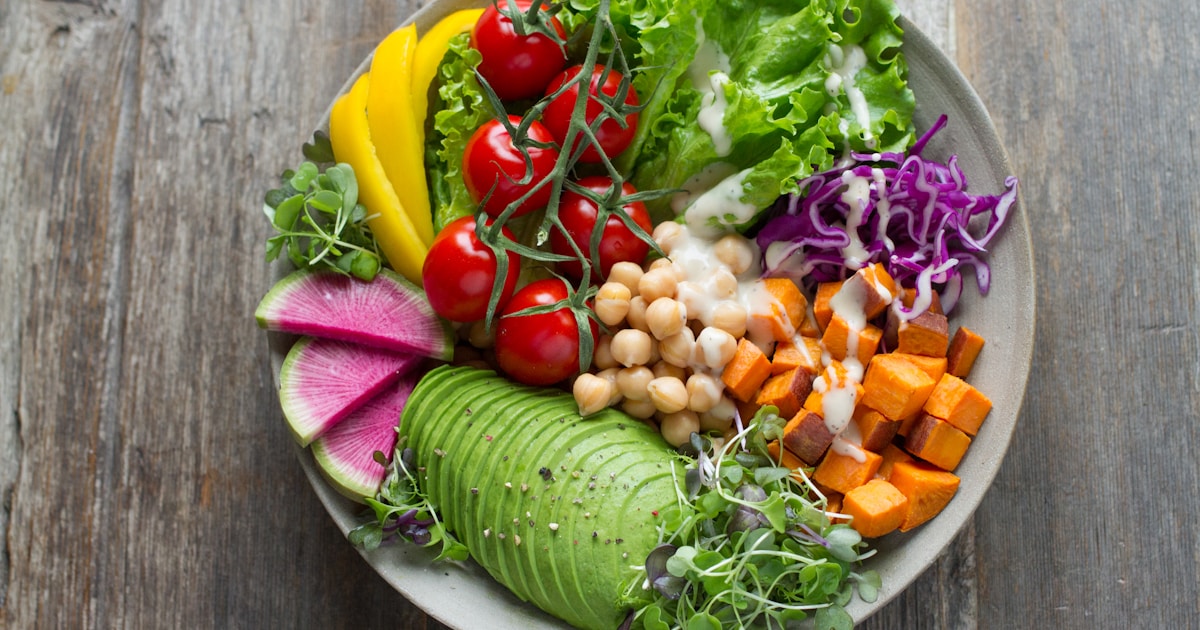
Lunch: Grilled salmon over spinach salad with avocado, cherry tomatoes, and olive oil dressing
Dinner: Brown rice stir-fry with garlic, ginger, broccoli, and chickpeas
Snack: A banana with a small handful of almonds
Nothing extreme. Just real food that supports healthy circulation, reduces inflammation, and gives your inner ear the nutrients it needs.
The Bottom Line
Tinnitus is frustrating, and no single food is going to make it disappear overnight. But the research is clear that what you eat affects your ear health. Anti-inflammatory foods rich in omega-3s, magnesium, zinc, potassium, and antioxidants may help reduce symptoms over time. Meanwhile, cutting back on salt, sugar, and alcohol removes common triggers.
Small, consistent changes add up. Start with one or two swaps this week - maybe sardines instead of a deli sandwich, or oats instead of sugary cereal - and pay attention to how your ears respond. For a broader look at supplements that support tinnitus relief, we have a dedicated guide.
Looking for a Natural Approach to Tinnitus Relief?
Thousands of people have tried this ear health supplement alongside dietary changes. It combines key ingredients researched for tinnitus support into one daily formula.
*Affiliate link - we may earn a commission at no extra cost to you
Related Reading
- Magnesium for Tinnitus Relief: Best Form and When to Take It
- Top Supplements for Tinnitus Relief (Backed by Science)
- Is Stress Making Your Tinnitus Worse? (How to Fix It)
- Is Tinnitus a Nervous System Problem? What Science Reveals
- Best Herbal Teas for Tinnitus Relief (Backed by Science)
- Can Vitamin Deficiency Cause Tinnitus? (Full Breakdown)
Research Sources
1. Relationship Between Diet, Tinnitus, and Hearing Difficulties - PMC (2020)
2. The Role of Diet and Lifestyle in Tinnitus Management - PMC (2024)
3. Scientists Uncover 4 Foods That Might Actually Turn Down Tinnitus - SciTechDaily (2025)
4. How Your Diet Affects Tinnitus - Audio Help Hearing Centers (2025)