
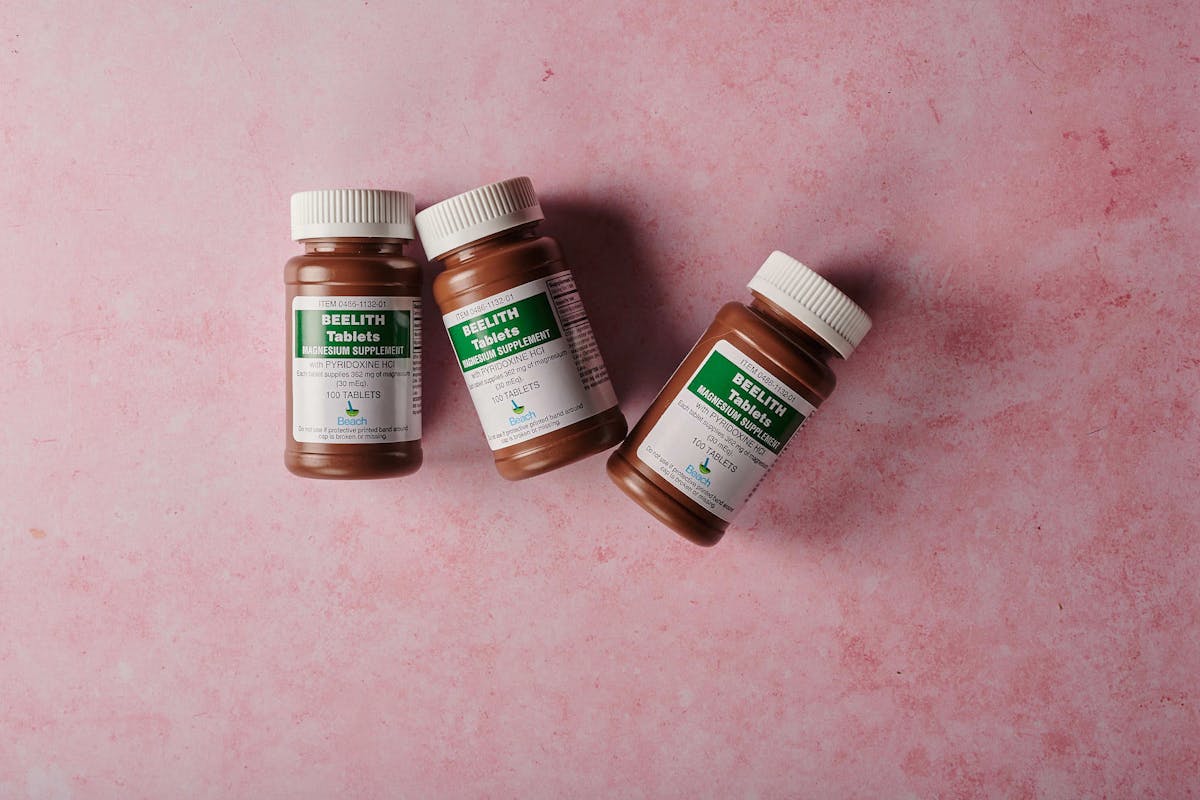
If you are wondering about the best time to take magnesium for sleep, you are not alone. The bottle is sitting on your nightstand, but when should you actually take it? Morning? Right before bed? With food or without?
Here is the short answer: take magnesium 30 to 60 minutes before bed for sleep. But the full picture involves your magnesium form, your stomach, and a few timing tricks that most articles skip over.
Why Magnesium Helps You Sleep in the First Place
Before we get into timing, it helps to understand what magnesium actually does in your brain at night.
Get Weekly Health Tips
Join thousands getting evidence-based wellness insights delivered free every week.
🔒 No spam. Unsubscribe anytime.
Magnesium binds to GABA receptors and increases their activity. GABA is your brain’s main “calm down” neurotransmitter - it reduces nerve excitability and helps your body shift from alert mode into rest mode. Without enough GABA activity, your brain stays wired even when you are exhausted.
Magnesium also blocks NMDA receptors, which are excitatory. (We covered the broader benefits of this mineral in our guide to magnesium for sleep and stress.) Think of it as turning down the volume on the signals that keep you awake. On top of that, magnesium helps regulate melatonin production and lowers cortisol, your primary stress hormone.
A 2022 systematic review published in the journal Biological Trace Element Research found that higher magnesium intake was associated with better sleep quality and longer sleep duration in adults. The researchers noted that magnesium’s effects on the nervous system likely explain the connection.
💤 Want Better Sleep Tonight?
While magnesium works on GABA receptors, a targeted sleep formula tackles multiple pathways at once for deeper, more restorative rest.
*Affiliate link - we may earn a commission at no extra cost to you
The Best Time to Take Magnesium for Sleep
Take your magnesium supplement 30 to 60 minutes before you plan to fall asleep. This gives the mineral enough time to absorb and start working on your GABA receptors.
Some people find that 45 minutes before bed is the sweet spot. If you take it too early (say, 3 hours before bed), the calming effects may peak before you actually lie down. If you take it right as your head hits the pillow, you might not feel much difference that night since absorption takes time.
One practical tip: pair your magnesium with your existing bedtime routine. If you brush your teeth and read for 30 minutes, take your magnesium right before that routine starts. Consistency matters more than perfection here.

Which Form of Magnesium Works Best for Sleep?
Not all magnesium supplements are created equal when it comes to sleep. The form you choose affects both absorption speed and where the magnesium ends up working in your body.
Magnesium glycinate is the top choice for sleep. (If you are weighing your options, our magnesium glycinate vs citrate comparison breaks down the differences.) The glycine amino acid attached to the magnesium has its own calming properties - glycine is an inhibitory neurotransmitter that lowers core body temperature and promotes relaxation. You get a double benefit. It is also gentle on the stomach, which matters if you are taking it right before lying down.
Magnesium L-threonate crosses the blood-brain barrier more effectively than other forms. A 2024 randomized controlled trial found that magnesium L-threonate improved both sleep quality and daytime functioning in adults with self-reported sleep problems. This form is more expensive but may be worth it if your sleep issues are tied to an overactive mind.
Magnesium citrate absorbs well and is widely available. Some research suggests it can reduce insomnia symptoms in older adults. The downside: it has a mild laxative effect that some people notice, which is not ideal right before bed.
Magnesium oxide is the cheapest option but has the lowest bioavailability (around 4%). Most of it passes through your system without being absorbed. Skip this one for sleep purposes.
How Much Magnesium to Take Before Bed
Most sleep-focused studies use doses between 200 and 400 mg of elemental magnesium. Dr. Denise Millstine at Mayo Clinic recommends 250 to 500 mg in a single dose at bedtime.
Start at the lower end - around 200 mg - for your first week. If you tolerate it well and want stronger effects, gradually increase to 300 or 400 mg. Going above 400 mg without medical supervision is not recommended and can cause digestive issues.
One thing to watch: the number on the front of the bottle is not always the elemental magnesium amount. A capsule labeled “500 mg magnesium glycinate” might only contain 70 mg of actual elemental magnesium. Check the supplement facts panel for the elemental amount. That is the number that matters.
Should You Take Magnesium with Food or on an Empty Stomach?
For sleep purposes, a small snack is ideal but not required. Here is why.
Taking magnesium with a little food reduces the chance of stomach discomfort, especially with citrate forms. A handful of nuts, a banana, or a small piece of toast works fine. You do not need a full meal.
If you are using magnesium glycinate, you can usually take it on an empty stomach without issues. Glycinate is one of the gentlest forms on digestion.
Avoid taking magnesium alongside high-dose calcium or zinc supplements, as they compete for absorption. If you take calcium, space it at least 2 hours apart from your magnesium.
What About Taking Magnesium in the Morning Instead
Some people take magnesium in the morning for energy and stress management. That works too - magnesium supports hundreds of enzymatic reactions throughout the day. But if sleep is your primary goal, evening dosing is better.
Here is a split approach that works well: if you want both daytime and nighttime benefits, take a smaller dose (100-200 mg) in the morning with breakfast and your main sleep dose (200-300 mg) before bed. This keeps your magnesium levels topped up throughout the day while concentrating the calming effects at night.
Signs Your Magnesium Timing Is Working
You should notice changes within the first 1 to 2 weeks of consistent use. Here is what to look for:
- Falling asleep faster (reduced sleep onset time)
- Fewer middle-of-the-night wake-ups
- Less restless legs or muscle twitching at night
- Feeling more rested in the morning without grogginess (similar to the benefits people report in our natural sleep remedies guide)
- Reduced anxiety or racing thoughts at bedtime
If you have been taking magnesium for 3 weeks with no noticeable change, try switching forms (glycinate to threonate, or vice versa) before giving up. The form matters as much as the timing.
Common Mistakes That Reduce Magnesium’s Sleep Benefits
A few things can undermine your magnesium routine without you realizing it:
Inconsistent timing. Taking magnesium at 8 PM one night and midnight the next confuses your body’s expectations. Pick a consistent time relative to your bedtime and stick with it.
Drinking alcohol the same evening. Alcohol depletes magnesium and disrupts the sleep architecture that magnesium is trying to support. They work against each other.
Taking it with coffee or caffeinated tea. Caffeine increases magnesium excretion through urine. If you have an evening coffee habit, your magnesium supplement is fighting an uphill battle.
Expecting instant results. Magnesium is not a sleeping pill. It works by gradually correcting a deficiency and supporting your body’s natural sleep mechanisms. Give it at least 2 full weeks before judging effectiveness.
🌙 Magnesium Not Enough on Its Own?
Many people find that combining magnesium with a dedicated sleep support formula delivers the best results for falling asleep faster and staying asleep longer.
*Affiliate link - we may earn a commission at no extra cost to you
Who Should Talk to a Doctor Before Taking Magnesium for Sleep
Magnesium supplements are generally safe for most adults, but check with your doctor if you:
- Take blood pressure medication (magnesium can lower BP further)
- Have kidney disease (your kidneys regulate magnesium excretion)
- Take antibiotics - magnesium can interfere with absorption of certain types
- Are on muscle relaxants or sedatives (additive effects possible)
Pregnant or breastfeeding women should also consult their healthcare provider about appropriate dosing, though magnesium is commonly recommended during pregnancy.
The Bottom Line on Magnesium Timing for Sleep
Take 200-400 mg of magnesium glycinate or L-threonate about 30 to 60 minutes before bed. Pair it with a small snack if your stomach is sensitive. Stay consistent with your timing, and give it 2 weeks to build up in your system.
About half of American adults do not get enough magnesium from food alone, according to National Institutes of Health data. If you are sleeping poorly and have not tried magnesium yet, the timing trick above is worth testing. It is inexpensive, well-studied, and has a strong safety profile for most people.
If you already take magnesium and it is not helping, look at your form first (switch to glycinate or threonate), then your dose (aim for 300-400 mg elemental), and finally your timing (closer to bedtime). Small adjustments can make a real difference.
😴 Still Struggling to Fall Asleep?
If magnesium alone is not cutting it, a targeted sleep formula might be the missing piece. A targeted natural sleep formula can complement magnesium by supporting deeper, uninterrupted rest.
*Affiliate link - we may earn a commission at no extra cost to you
Research Sources
- The Role of Magnesium in Sleep Health: a Systematic Review - PubMed (2022)
- Oral Magnesium Supplementation for Insomnia in Older Adults: Systematic Review and Meta-Analysis - PubMed (2021)
- Magnesium in the Central Nervous System - NCBI Bookshelf
This content is for informational purposes only and is not a substitute for professional medical advice, diagnosis, or treatment. Always consult your healthcare provider before starting any supplement.
1 thought on “Best Time to Take Magnesium for Sleep (Backed by Research)”
Comments are closed.