
This article contains affiliate links. If you purchase through these links, we may earn a commission at no extra cost to you. Full disclosure
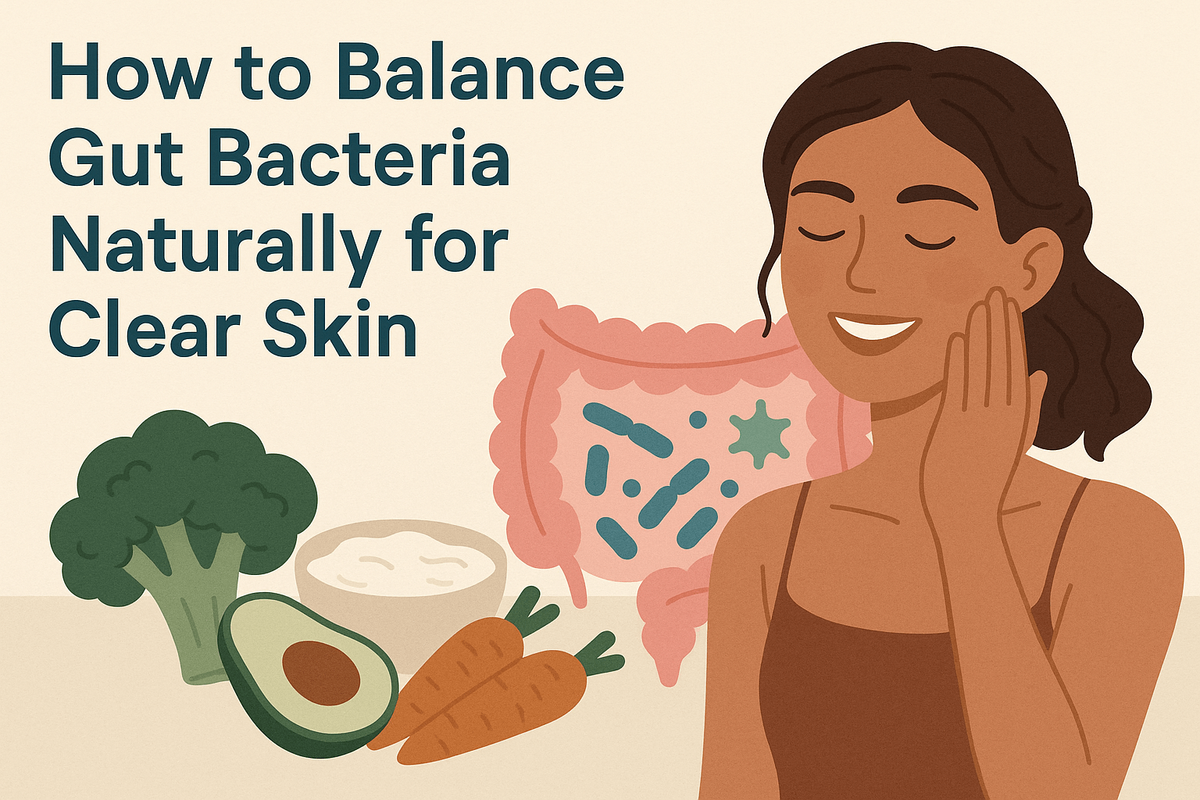
Clear, radiant skin starts with what’s happening inside your gut. While topical treatments address surface symptoms, balancing your gut microbiome targets the root causes of skin problems - building the bacterial diversity that supports skin health from within.
📚 Research Sources
⭐ Want Clearer, Healthier Skin?
Discover how targeted gut health supplements may help improve skin clarity and reduce breakouts from the inside out.
*Individual results may vary. This site contains affiliate links.
📋 Our Research-Backed Recommendation
After examining the research on the gut-skin axis, this supplement targets digestive health with clinically-studied ingredients. Protected by a 60-day money-back guarantee.
*Affiliate link - we may earn a commission at no cost to you. Full disclosure
Understanding Gut Bacteria Balance for Skin
Optimal gut balance means maintaining diverse populations of beneficial microorganisms while keeping harmful bacteria in check. This ecosystem directly influences skin through inflammatory regulation, nutrient production, immune modulation, and toxin processing.
Get Weekly Health Tips
Join thousands getting evidence-based wellness insights delivered free every week.
🔒 No spam. Unsubscribe anytime.
When bacteria become imbalanced (dysbiosis), harmful species proliferate while beneficial populations decline - creating inflammatory conditions that manifest as acne, eczema, premature aging, and other skin problems.
How to Increase Beneficial Bacteria
Fermented Foods
Naturally fermented foods - kefir, sauerkraut, kimchi, miso, kombucha - provide live beneficial bacteria plus prebiotic compounds. Start with 1-2 tablespoons daily and gradually increase to avoid digestive discomfort.
Prebiotic-Rich Foods
Prebiotics feed beneficial bacteria. Focus on garlic, onions, asparagus, Jerusalem artichokes, green bananas, oats, and flaxseeds. These provide the specific nutrients bacteria need to produce skin-supporting short-chain fatty acids. Aim for 25-35 grams of varied prebiotic fibers daily.
Diverse Plant Foods
Bacterial diversity correlates directly with dietary diversity. Each plant food supports different beneficial strains. Challenge yourself to consume 30+ different plant foods weekly - vegetables, fruits, herbs, spices, nuts, seeds, and legumes.
How to Reduce Harmful Bacteria
Eliminate disruptors: Processed foods, artificial sweeteners, and excessive sugar feed harmful bacteria. Cut these to let beneficial bacteria outcompete harmful organisms naturally.
Limit unnecessary antibiotics: They indiscriminately eliminate both beneficial and harmful bacteria. When antibiotics are necessary, focus intensively on bacterial restoration during and after treatment.
Manage stress: Chronic stress elevates cortisol, which suppresses beneficial bacteria and promotes harmful growth. Daily stress management is vital for bacterial balance.
Eat anti-inflammatory foods: Omega-3 rich foods, colorful vegetables, polyphenol-rich berries, turmeric, and ginger reduce inflammation while supporting beneficial bacterial growth.
Lifestyle Practices That Support Balance

Sleep: Gut bacteria follow circadian rhythms. Aim for 7-9 hours with consistent bedtimes. Poor sleep disrupts beneficial bacteria and promotes inflammatory species.
Exercise: 150 minutes weekly of moderate exercise supports bacterial diversity. Avoid excessive high-intensity training, which can increase stress hormones and disrupt balance.
Stress management: Meditation, deep breathing, yoga, journaling, or nature exposure. Choose practices that feel sustainable.
🧪 What Our Research Points To
In our review of gut-health supplements, one formulation directly addresses the gut-skin connection with research-backed strains and digestive support ingredients.
- Probiotic strains shown to support the gut-skin axis
- Ingredients targeting digestive inflammation
- 60-day money-back guarantee - no risk
See Full Ingredient Breakdown →
No subscription required · Affiliate disclosure
Tracking Progress
Digestive improvements (regular bowels, less bloating, better energy) typically appear first. Skin improvements follow by 2-6 weeks as bacterial balance optimizes and anti-inflammatory compounds increase.
Timeline: Week 1-2: Beneficial bacteria establishing. Week 3-4: Stable populations. Week 5-8: Optimal digestive function. Week 9-12+: Resilient microbiome balance.
Advanced Techniques
Intermittent fasting: Provides digestive rest that allows beneficial bacteria to establish. Start with 12-hour windows and extend based on tolerance.
Environmental exposure: Gardening, hiking, and outdoor activities expose you to beneficial environmental microbes that enhance bacterial diversity.
Troubleshooting
Adjustment periods: Some temporary digestive changes are normal in the first 1-2 weeks. Start gradually with fermented foods and prebiotics.
Individual variation: Responses vary based on starting microbiome, genetics, and health history. Customize based on personal responses rather than expecting uniform timelines.
The Bottom Line
Natural bacterial balancing addresses the fundamental imbalances driving most skin problems. It requires patience and consistency, but the results extend beyond skin - better digestion, stronger immunity, improved mood, and more energy. Focus on diet, stress, sleep, and movement together for the strongest complementary effect.
Frequently Asked Questions
How long to see clear skin? Initial shifts in 1-2 weeks, significant skin improvements over 6-12 weeks as beneficial bacteria stabilize.
Best foods for good gut bacteria? Fermented foods (kefir, sauerkraut, kimchi) introduce bacteria; prebiotic foods (garlic, onions, asparagus) feed them. Eat both daily.
Can I balance bacteria without supplements? Yes - fermented foods, diverse plants, stress management, and lifestyle modifications can effectively restore balance.
How do I know if my gut is becoming balanced? Better digestion, regular bowels, more energy, less bloating, and gradually clearer skin.
Do fermented foods work better than supplements? Fermented foods provide complex bacterial communities with growth nutrients, often offering more thorough benefits than isolated supplements.
Can stress really cause skin problems through the gut? Yes - chronic stress elevates cortisol, suppressing beneficial bacteria and promoting harmful species that create inflammatory skin conditions.
How many plant foods should I eat weekly? 30+ different plant foods for maximum bacterial diversity.
Does sleep affect gut bacteria? Gut bacteria follow circadian rhythms. Poor sleep disrupts these cycles and promotes inflammatory bacteria.
About Us: The YWHL Editorial Team researches health, wellness, and nutrition topics by analyzing published studies and clinical data. Our goal is to help readers make informed decisions about their health. This content is for educational purposes only - always consult your healthcare provider before starting any supplement or health program.
Some of the links on this site are affiliate links, which means we may earn a commission if you click through and make a purchase, at no additional cost to you. None of the information in this blog is medical advice. It is simply for educational purposes only.
2 thoughts on “How to Balance Gut Bacteria Naturally for Clear Skin: Complete Guide”
Comments are closed.