
Why Do My Joints Hurt When It Rains?
Affiliate disclosure: This article contains affiliate links. If you buy through these links, we may earn a commission at no extra cost to you.
Why do my joints hurt when it rains? For many people, the short answer is that rainy weather often comes with falling barometric pressure, higher humidity, cooler air, and less movement. Those changes may make already-sensitive joints feel stiffer or more painful, especially if you have osteoarthritis, rheumatoid arthritis, an old injury, or chronic inflammation.
The research is not perfectly settled. Some studies find a modest link between weather changes and pain. Others find only a weak connection. But if your knees, hips, hands, or back seem to predict rain better than the forecast, you are not imagining the pattern. The body can be sensitive to small shifts, especially around joints that already have less cushion or irritated tissue.
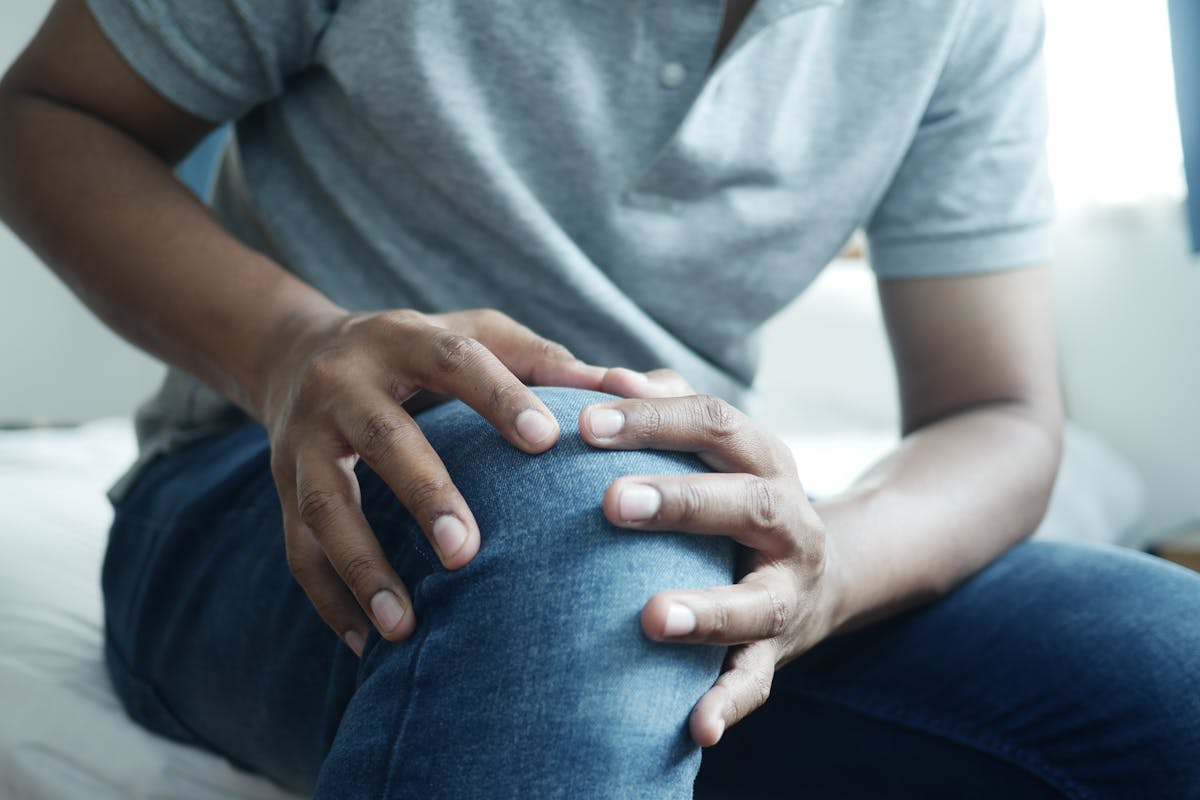
Why do my joints hurt when it rains? The pressure theory
Barometric pressure is the weight of the air pressing against your body. Before wet or stormy weather, that pressure often drops. One common theory is that lower pressure allows tissues around a joint to expand slightly. That small expansion may not matter in a healthy joint, but it can irritate a joint that is already crowded, inflamed, or worn down.
Get Weekly Health Tips
Join thousands getting evidence-based wellness insights delivered free every week.
🔒 No spam. Unsubscribe anytime.
Cleveland Clinic explains it this way: if arthritis has already reduced the space inside a joint, even a small amount of tissue expansion may make the area feel more uncomfortable. That does not mean rain is damaging your joints. It means weather changes may turn up the volume on pain signals that were already there.
This is why one person can feel nothing during a storm while another feels deep aching in both knees. The weather is only one input. Joint structure, inflammation level, sleep, stress, activity, and pain sensitivity all matter.
Want extra support for stiff, overworked joints?
Balmorex Pro is a topical joint and muscle support formula that may fit people looking for a simple add-on alongside movement, warmth, and smart pacing.
Affiliate link. We may earn a commission at no extra cost to you.
Why do my joints hurt when it rains more in cold or damp weather?
Rain rarely arrives alone. It often brings cooler temperatures and damp air. Cold can make muscles and connective tissue feel tighter. When you move less because the weather is unpleasant, joints may also feel stiffer from inactivity. That combination can make the first few steps after sitting feel rough.
Humidity may play a role too. The Arthritis Foundation has discussed research from a large smartphone-based study that tracked people with chronic pain and local weather conditions. The study found significant but modest associations between pain events and humidity, air pressure, and wind speed. In plain English: weather can matter for some people, but it is not the only reason joints hurt.
There is another boring but real factor: rainy days change behavior. People walk less, stretch less, get less sunlight, and may sleep worse. Mood can dip during long stretches of gray weather, and pain often feels worse when sleep and mood are off. The joint may be the place you feel it, but the trigger can be a mix of body and environment.
Who is most likely to notice rain-related joint pain?
Weather-related joint pain is more common in people who already have a joint issue. If you have osteoarthritis, cartilage loss can make the joint less forgiving. If you have rheumatoid arthritis or another inflammatory condition, flares may make tissues more sensitive. Old injuries can also ache when pressure and temperature shift.
People with knee pain, hip stiffness, hand arthritis, neck pain, or lower back pain often notice the pattern first because those areas take a lot of daily load. If your pain is mild, predictable, and improves with warmth and movement, it is usually less concerning. If it is new, severe, one-sided, swollen, hot, or paired with fever, weakness, numbness, chest pain, or unexplained weight loss, get medical care rather than blaming the weather.
It also helps to separate a weather ache from a true flare. A weather ache often feels dull, stiff, and familiar. A flare may bring swelling, warmth, sharp pain, major range-of-motion loss, or pain that lasts well after the weather clears. That difference matters because inflammatory flares may need medical treatment.
What to do when joints ache before rain
Start with gentle motion. A stiff joint usually hates sudden intensity, but it often responds well to easy movement. Try a five to ten minute walk indoors, slow cycling, light yoga, or a simple range-of-motion routine. The goal is not a workout. The goal is to remind the joint that it can move safely.
Heat can help when the joint feels tight or cold. A warm shower, heating pad, warm towel, or heated wrap may relax surrounding muscles and make movement easier. If the joint is visibly swollen or feels hot, cold therapy may be better for short periods. Use a cloth barrier and avoid extreme temperatures.
Hydration matters more than people think. Being slightly dehydrated will not directly cause arthritis, but it can make muscles feel more cramped and recovery feel worse. Aim for steady fluids through the day, especially if you drink a lot of coffee or spend time in heated indoor air.
For more joint support ideas, you may also like our guide to joint stiffness in the morning and this breakdown of turmeric for joint pain. If knee discomfort is your main issue, read knee pain when going down stairs.
Rainy-day joint routine missing one step?
If your joints feel tight when the weather shifts, a topical option can be easier to use than adding another pill to your cabinet.
Affiliate link. Results vary, and this is not medical advice.
A simple rainy-day joint routine
Here is a practical routine for days when the forecast looks ugly and your joints already feel cranky.
- Warm the area first. Use a warm shower or heating pad for 10 to 15 minutes if the joint feels stiff, not hot or swollen.
- Move gently. Do slow circles, bends, extensions, or an easy indoor walk for five to ten minutes.
- Keep the joint covered. Warm socks, sleeves, gloves, or layers can help reduce the cold-stiff feeling.
- Avoid long sitting blocks. Stand up every 30 to 45 minutes. Two minutes of movement is enough to reduce that locked-up feeling.
- Use support if needed. A brace, cane, topical cream, or physical therapy exercise can make rainy days more manageable.
- Track the pattern. Write down pain level, weather, sleep, activity, and swelling for two weeks. Patterns are easier to manage once you can see them.
If your pain keeps returning in the same joint, a physical therapist can often spot the mechanical issue behind it. Sometimes the problem is not the rain. It is weak hips, tight calves, poor ankle mobility, an old meniscus injury, or too much load on a joint that needs a smarter plan.
When rain is not the real problem
It is tempting to blame the weather for every ache, but do not ignore warning signs. See a clinician if joint pain is new after a fall, causes major swelling, wakes you at night, limits walking, or lasts more than a couple of weeks. Also get checked if you have morning stiffness lasting longer than an hour, multiple swollen joints, or pain with fever or rash.
Rain can expose a joint problem. It usually does not explain the whole thing. If the same knee hurts before every storm, that knee may need strength work, weight management, footwear changes, imaging, medication review, or a diagnosis you do not have yet.
For related pain strategies, see our guide to natural remedies for hip pain.
Bottom line
So, why do my joints hurt when it rains? The best answer is that rainy weather can combine lower barometric pressure, higher humidity, cooler temperatures, and less movement. For sensitive joints, that can mean more stiffness and aching. The fix is usually not one magic supplement or one stretch. It is a simple plan: stay warm, keep moving, use smart support, track your patterns, and get checked if the pain changes or worsens.
Build a better joint plan before the next storm
Pair gentle movement, heat, hydration, and recovery habits with targeted support like Balmorex Pro when soreness tends to flare.
Affiliate link. We may receive a commission if you buy through this link.