
Affiliate disclosure: This article contains affiliate links. If you buy through one of these links, Your Wealthy Healthy Life may earn a commission at no extra cost to you.
Vitamins for night blindness can help when poor night vision is tied to a nutrient gap, especially low vitamin A. But night blindness can also come from cataracts, prescription changes, diabetes-related eye disease, dry eye, medication effects, or inherited retinal conditions. That is why the smartest approach is not to guess. Start with an eye exam, then use food and supplements to support the parts of vision that nutrition can realistically influence.
If driving after sunset suddenly feels harder, headlights look harsher than they used to, or you need more time to adjust when walking into a dark room, do not brush it off as normal aging. Some causes are simple. Others need medical care. Here is what to know before buying an eye vitamin.
Vitamins for night blindness: what actually matters?
Night blindness, also called nyctalopia, does not usually mean total blindness at night. It means the eyes struggle more than expected in dim light. The American Academy of Ophthalmology describes it as a symptom, not a disease by itself. In plain English, poor night vision is a clue that something else may be going on.
Get Weekly Health Tips
Join thousands getting evidence-based wellness insights delivered free every week.
🔒 No spam. Unsubscribe anytime.
The nutrient most directly connected to night vision is vitamin A. Your retina uses vitamin A to make light-sensitive pigments that help rods work in low light. Severe vitamin A deficiency can cause night blindness. In the United States, true deficiency is not common for most healthy adults, but risk can rise with restrictive diets, fat malabsorption, bariatric surgery, liver disease, certain digestive disorders, or long-term problems absorbing nutrients.
Looking for daily eye nutrition support?
Vision Breakthrough is a vision support option for adults who want a simple supplement routine alongside eye exams, diet, and screen habits.
Affiliate link. We may earn a commission at no extra cost to you.
That said, more vitamin A is not automatically better. High-dose vitamin A can be toxic, especially from retinol supplements. It can also be risky during pregnancy and may interact with certain medications. If you already eat eggs, dairy, fish, orange vegetables, and leafy greens, you may not need a separate high-dose vitamin A pill.
Best vitamins for night blindness and low-light vision support
The best nutrients for poor night vision depend on the cause. Think of them as support, not a cure. A supplement cannot fix cataracts, update an outdated glasses prescription, or reverse a retinal disease. But the right nutrients can help protect the visual system and fill gaps that make symptoms worse.
1. Vitamin A
Vitamin A is the headline nutrient because it helps form rhodopsin, a pigment your eyes use to detect light in dark conditions. Low vitamin A can cause difficulty seeing at night, dry eyes, and more serious eye problems if deficiency becomes severe.
Food sources include sweet potatoes, carrots, spinach, kale, eggs, milk, liver, and fortified foods. Plant foods provide beta-carotene, which the body converts into vitamin A as needed. That is usually a safer route than taking large amounts of preformed vitamin A unless your clinician has confirmed a deficiency.
2. Zinc
Zinc helps move vitamin A from the liver to the retina. It also appears in the AREDS and AREDS2 formulas studied for age-related macular degeneration. Zinc is not a direct night blindness treatment, but low zinc can make vitamin A metabolism less efficient.
Good food sources include oysters, beef, pumpkin seeds, beans, yogurt, and chickpeas. If you take zinc as a supplement, avoid megadoses unless your doctor recommends them. Too much zinc can lower copper status and cause other problems.
3. Lutein and zeaxanthin
Lutein and zeaxanthin are carotenoids that concentrate in the macula, the part of the retina used for central vision. They are often discussed for screen strain, glare, and age-related eye health. The National Eye Institute notes that AREDS2 used lutein and zeaxanthin in place of beta-carotene in the revised formula, especially because beta-carotene raised lung cancer risk in current and former smokers.
You can get lutein and zeaxanthin from spinach, kale, collards, peas, pistachios, corn, and egg yolks. They will not make healthy eyes superhuman at night, but they are reasonable nutrients to prioritize for long-term retinal support.
4. Omega-3 fatty acids
Omega-3s are better known for dry eye and general inflammation support than for night blindness. Still, dry or irritated eyes can make nighttime glare feel worse, especially during long drives. Fatty fish, chia seeds, flaxseed, walnuts, and algae-based supplements can help raise omega-3 intake.
5. Vitamin C and vitamin E
These antioxidants help protect tissues from oxidative stress. They are part of the classic eye-health conversation because the retina is exposed to light and has high metabolic demand. Citrus, berries, peppers, almonds, sunflower seeds, and avocado are practical food sources.
What causes night blindness besides vitamin deficiency?
This is where people get misled. Search results make vitamins sound like the whole answer, but night blindness often has a non-nutrition cause.
Common possibilities include cataracts, nearsightedness that needs correction, glare after LASIK or PRK, dry eye, diabetic eye disease, glaucoma medications, retinitis pigmentosa, and age-related retinal changes. The AAO also points out that some genetic conditions can reduce night vision. If symptoms are new, getting worse, or affecting driving safety, book an eye exam instead of trying supplement after supplement.
One useful self-check: ask whether your night vision improves when your glasses or contacts are updated. If road signs sharpen up with a corrected prescription, your problem may be refractive blur more than a vitamin issue.
Support your eyes while you fix the basics
A vision supplement should sit next to healthy meals, updated prescriptions, and regular eye checks. If that is the routine you want, review Vision Breakthrough here.
Affiliate link. We may earn a commission at no extra cost to you.
Foods to eat if you have trouble seeing at night
Food is the lowest-risk place to start. Build meals around nutrients that support the retina without forcing high-dose pills.
- For vitamin A and beta-carotene: sweet potatoes, carrots, pumpkin, spinach, kale, eggs, and fortified dairy.
- For lutein and zeaxanthin: leafy greens, peas, corn, pistachios, and egg yolks.
- For zinc: oysters, beef, turkey, beans, pumpkin seeds, and yogurt.
- For omega-3s: salmon, sardines, trout, chia seeds, flaxseed, walnuts, and algae oil.
- For vitamin C and E: citrus, strawberries, bell peppers, almonds, sunflower seeds, and avocado.
If you are already working on eye health, you may also like our guides to dry eyes natural remedies, how to reduce eye floaters naturally, and what vitamin deficiencies can signal in the body. They cover related issues without pretending every symptom has one simple fix.
When to see an eye doctor quickly
Do not wait on supplements if poor night vision comes on suddenly, affects one eye more than the other, follows eye trauma, or appears with flashes, new floaters, eye pain, a curtain over vision, severe headache, or sudden loss of side vision. Those symptoms need professional care.
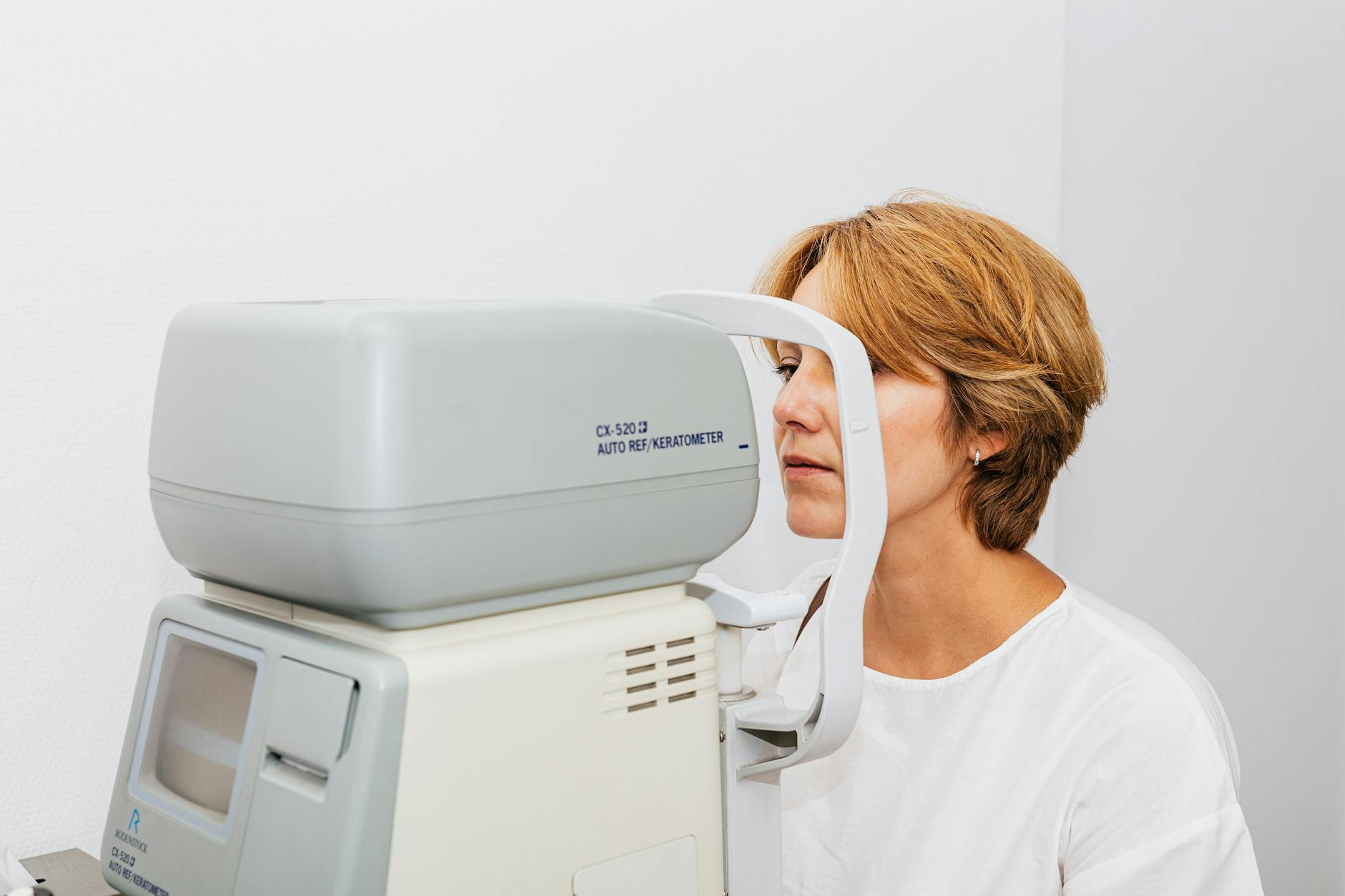
You should also schedule an exam if night driving feels unsafe. The answer may be as simple as cataract evaluation, dry eye treatment, or a new prescription. Or it may be something that needs closer monitoring. Either way, guessing wastes time.
How to choose a night vision supplement safely
Look for clear labeling, realistic claims, and familiar eye-health nutrients. Be cautious with any product that says it cures blindness, reverses serious eye disease, or replaces an ophthalmologist. That kind of promise is a red flag.
Also check the vitamin A form and dose. Beta-carotene is different from preformed vitamin A. Current and former smokers should be careful with beta-carotene because AREDS research raised safety concerns in that group. If you have macular degeneration, diabetes, liver disease, are pregnant, or take prescription medications, ask your clinician before adding eye supplements.
Want a simple eye-support next step?
If you are comparing vitamins for night blindness and general eye support, Vision Breakthrough is worth reviewing before you decide.
Affiliate link. We may earn a commission at no extra cost to you.
Bottom line on vitamins for night blindness
Vitamins for night blindness are most useful when poor low-light vision is connected to low vitamin A, weak overall nutrition, or missing eye-support nutrients. Vitamin A, zinc, lutein, zeaxanthin, omega-3s, vitamin C, and vitamin E are the main nutrients to know.
But do not let supplement shopping replace diagnosis. If your night vision is getting worse, start with an eye exam. Then use food, targeted supplements, better lighting, updated lenses, and safer driving habits together. That is the practical path.