
Affiliate disclosure: This article may contain affiliate links. If you buy through them, we may earn a commission at no extra cost to you.
If you are asking how to clear mucus from lungs naturally, the short answer is that fluids, moisture, gentle movement, and controlled coughing usually help the most for mild chest congestion. The good news is that a few low-risk basics really can help. Fluids, moisture, gentle movement, and controlled coughing are the main ones. The bigger point is knowing when mucus is just part of a short-term illness, and when it may be a sign that something more serious is going on.
Support easier breathing with a targeted lung formula
If recurring chest congestion leaves you feeling heavy and run down, LungExpand Pro is one option some readers explore alongside hydration, breathing exercises, and medical care when needed.
*Affiliate link - we may earn a commission at no extra cost to you
Why mucus builds up in the first place
Mucus is not the enemy. Your airways make it to trap irritants, germs, and particles so they can be moved out of the lungs. Trouble starts when you are making more of it than usual, or when it gets thick enough that it becomes hard to cough out.
Get Weekly Health Tips
Join thousands getting evidence-based wellness insights delivered free every week.
🔒 No spam. Unsubscribe anytime.
That can happen with a cold, the flu, COVID-19, allergies, asthma, smoking, chronic bronchitis, bronchiectasis, or pneumonia. Some people also notice more mucus when the air is dry, when they are dehydrated, or when they have reflux irritating the throat and airways.
If you have a daily cough with daily mucus for weeks at a time, that deserves medical attention. The American Lung Association notes that ongoing daily mucus production can be part of conditions like bronchiectasis, which need proper diagnosis and treatment.
How to clear mucus from lungs naturally at home
Most at-home strategies work by thinning mucus, loosening it, or helping your body move it upward so you can cough it out. None of these should replace medical care if you are short of breath, feverish, or getting worse, but they are reasonable first steps for mild congestion.
1. Drink more fluids
This is the least glamorous advice and probably the most useful. When you are dehydrated, mucus gets thicker and stickier. The NHS recommends drinking plenty of water during chest infections because it helps loosen mucus and makes it easier to cough up.
Warm drinks may feel especially soothing. Tea, broth, or warm lemon water can help some people feel less tight and irritated, even if the main benefit is simply getting more fluid in.
2. Use moisture carefully
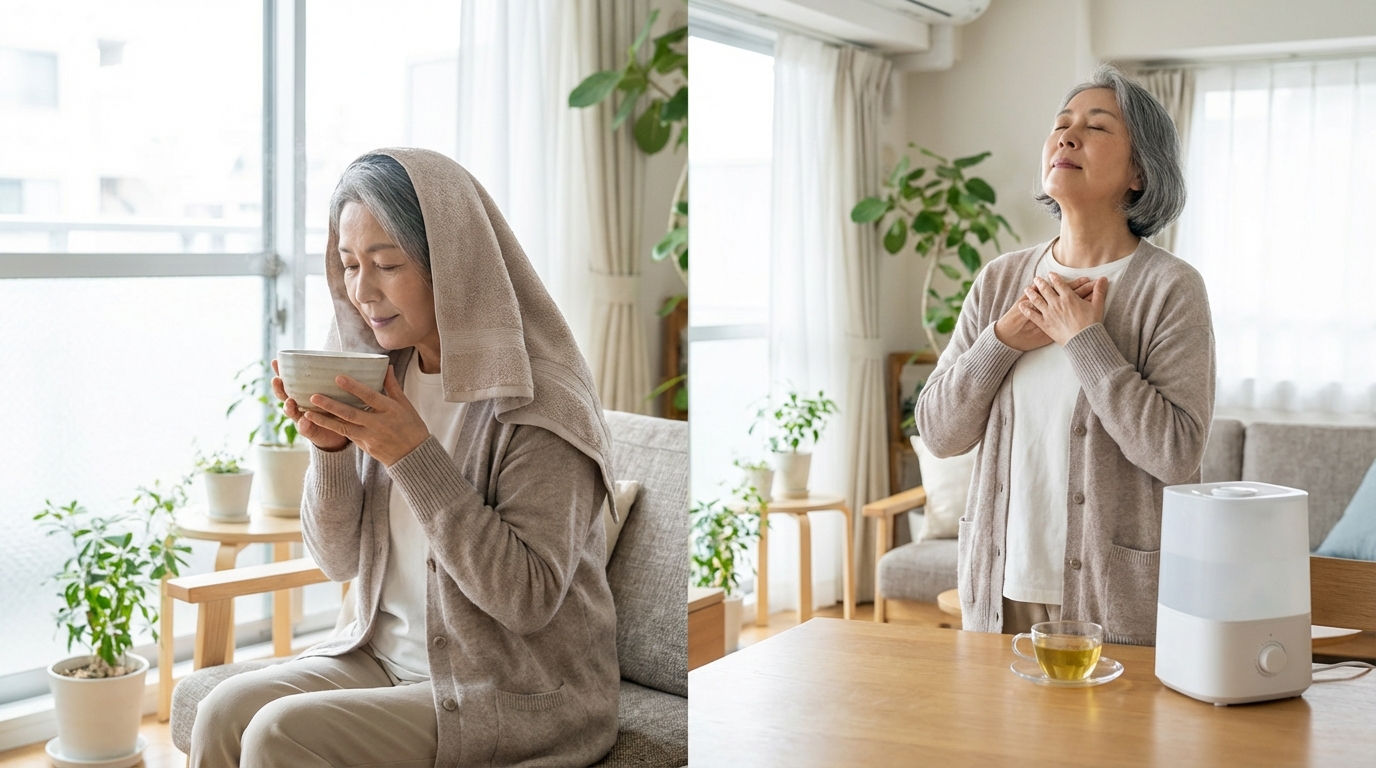
Warm, humid air can make thick secretions feel easier to move. A steamy shower is usually the safest way to try this. Some people like a humidifier at night, especially in dry climates.
What I would not do is treat steam like a miracle. It can help you feel better, but it is not curing the underlying cause. Also, avoid risky steam-bowl setups, especially around children, because burns are a real issue.
3. Try gentle huff coughing instead of hard coughing fits
Repeated harsh coughing can leave your chest and throat feeling wrecked. A gentler technique called huff coughing can work better. Take a medium breath in, keep your mouth open, and exhale forcefully as if you are trying to fog up a mirror. That helps move mucus upward without quite as much strain.
Follow that with a normal cough if you feel mucus move into the upper chest or throat. This is often more productive than forcing huge coughing bursts over and over.
4. Walk, stretch, and change positions
Light movement helps more than people expect. A short walk around the house, slow shoulder rolls, or sitting more upright can help mucus shift so it is easier to clear. Lying flat often makes congestion feel worse. Sleeping with your head raised can help some people breathe more comfortably and reduce overnight pooling.
If you already have a diagnosed lung condition, your clinician may also teach you position-based drainage techniques. Those are more specific than just lying a certain way from something you saw online, so it is worth getting guidance first.
Want extra support while you work on airway-clearing habits?
Some readers pair hydration, walking, and breathing practice with LungExpand Pro when they want an added lung wellness option in the mix.
Learn more about LungExpand Pro
*Affiliate link - we may earn a commission at no extra cost to you
5. Use breathing exercises that open the chest
Slow diaphragmatic breathing and pursed-lip breathing can help you stay calmer and move air more effectively if congestion is making you feel tight. They are not mucus dissolvers, but they may make it easier to clear your chest without panicking or over-breathing.
If you want a simple starting point, inhale through your nose for a few seconds, then exhale slowly through lightly pursed lips. Keep your shoulders relaxed. This can be especially helpful if mucus is making you feel mildly short of breath.
What actually works for stubborn mucus
If mucus is not budging, the answer is often not a stronger home remedy. It is getting more specific about the cause. The NHLBI notes that people with conditions such as bronchiectasis may need airway-clearance techniques, expectorants, mucus-thinning medicines, bronchodilators, or chest physical therapy under medical guidance.
That matters because sticky mucus from a routine cold is very different from chronic mucus production linked to COPD, asthma, or structural lung disease. If this keeps happening, guessing is not a great strategy.
For some people, especially smokers or those with frequent infections, chronic phlegm is a signal to get checked, not to keep cycling through teas and steam forever.
What to avoid when trying to clear mucus from lungs naturally
A few things tend to backfire:
- Smoking or vaping. Both can irritate the airways and make mucus production worse.
- Not drinking enough. Thick mucus gets harder to move.
- Overusing cough suppressants. Sometimes rest is helpful, but if the whole issue is mucus you need to clear, completely shutting down your cough reflex can work against you.
- Very aggressive coughing. It can inflame your throat and chest without helping much.
- Assuming every case is harmless. Mucus with fever, chest pain, wheezing, or low oxygen is not the time to self-manage indefinitely.
For a broader look at respiratory support habits, see our guide on breathing exercises to increase lung capacity. If you are comparing supplement options, our article on natural supplements for lung health may also help. We also break down research-backed compounds in top ingredients for lung health.
When mucus is a reason to call a doctor
Natural strategies are fine for mild, short-lived congestion. They are not enough when red flags show up. Get medical care sooner if you have:
- shortness of breath that is new, significant, or worsening
- high fever, shaking chills, or feeling markedly ill
- chest pain
- blood or blood-streaked mucus
- a cough lasting more than 3 weeks
- daily mucus production that keeps returning
- underlying lung disease, a weakened immune system, or age-related risk factors
Those can point to pneumonia, bronchiectasis, COPD flare-ups, or other problems that need more than home care.
If lung congestion keeps coming back, consider a longer-term support option
LungExpand Pro is designed for people who want a daily lung-support supplement while also addressing the basics like hydration, air quality, and proper medical follow-up.
*Affiliate link - we may earn a commission at no extra cost to you
The bottom line
If you want to know how to clear mucus from lungs naturally, start with the basics that actually make physiological sense: fluids, moisture, gentle movement, upright positioning, and smarter coughing techniques. Those can make a real difference when congestion is mild and temporary.
But if mucus is persistent, heavy, or paired with breathing trouble, do not treat it like a small annoyance. Chronic mucus often has an underlying reason, and the right next step is getting that checked instead of trying random remedies for another month.