
Affiliate disclosure: This article contains affiliate links. If you buy through them, we may earn a commission at no extra cost to you.
How to lose belly fat after menopause is one of those questions that sounds simple until you actually live it. Many women notice that fat starts gathering around the middle even when their eating habits have not changed much. That shift is not just about appearance. Belly fat after menopause is often tied to lower estrogen, less muscle mass, worse sleep, and a slower calorie burn at rest.
The good news is that you are not stuck with it. You usually do not need a crash diet, endless ab workouts, or a sketchy fat burner. What does help is a boring but effective mix of higher protein intake, resistance training, better sleep, enough movement, and a food pattern you can actually keep doing. Here are the strategies with the best real-world backing.

Need extra support for stubborn menopause belly fat?
Some women pair diet and strength training with a gut and weight support supplement. BellyFlush is the closest fit for this topic because this guide centers on belly fat, bloating, and midlife weight changes.
Affiliate link. We may earn a commission at no extra cost to you.
Why belly fat increases after menopause
There is a real biological reason this happens. As estrogen drops, body fat tends to shift away from the hips and thighs and toward the abdomen. At the same time, age-related muscle loss makes it easier to gain fat because muscle tissue burns more energy than fat tissue. If sleep gets worse, stress goes up, or physical activity slips, the problem snowballs.
Get Weekly Health Tips
Join thousands getting evidence-based wellness insights delivered free every week.
🔒 No spam. Unsubscribe anytime.
This is also why spot reduction does not work. Hundreds of crunches will strengthen your core, but they will not selectively strip fat off your waist. To lose belly fat after menopause, you have to lower overall body fat while protecting muscle.
1. Prioritize protein at every meal
Protein is not magic, but it solves a few problems at once. It helps preserve lean mass during weight loss, keeps you fuller than a carb-heavy snack, and supports muscle repair after workouts. Harvard Health specifically points to higher protein intake as one of the most useful ways to push back against the classic menopause belly pattern.
A practical target for many women is to include a meaningful protein source at breakfast, lunch, dinner, and if needed, one snack. Think Greek yogurt, eggs, cottage cheese, tofu, fish, chicken, edamame, lentils, or a protein shake that does not taste like drywall.
If breakfast is usually toast or cereal, that is a good place to start. A stronger first meal often makes the rest of the day easier.
2. Use strength training as your main lever
If you only take one tactic from this article, take this one. Strength training is one of the best tools for women trying to lose belly fat after menopause because it helps you keep or build muscle while losing fat. More muscle means a healthier metabolism and better body composition over time.
You do not need a complicated split routine. Two to four sessions a week covering the major movement patterns is enough for most people to get results. Squats, hinges, rows, presses, step-ups, and loaded carries all count. Bodyweight movements are fine if you are new, but eventually some resistance helps.
Keep it simple. Focus on getting a little stronger every few weeks instead of chasing soreness.

3. Walk more than you think you need to
Walking is underrated because it is not dramatic. But it burns calories, improves insulin sensitivity, lowers stress, and is easier to recover from than hard cardio. That matters. A plan you can repeat most days beats the perfect program you quit after ten days.
For many women, a daily step target plus a short walk after meals works better than trying to crush long workouts on weekends. If you sit most of the day, frequent movement breaks are part of the solution too.
Walking also pairs well with lifting. One builds muscle. The other helps create the calorie deficit without trashing your joints or appetite.
Want a metabolism support option to combine with your plan?
BellyFlush is a better topical match here because it is mapped to belly fat, bloating, gut support, and weight-related content in the YWHL affiliate guide.
Affiliate link. We may earn a commission at no extra cost to you.
4. Clean up liquid calories and ultra-processed snacks
You do not need a perfect diet, but menopause belly fat does respond badly to mindless calories. Sugary drinks, coffee shop calories, alcohol, and highly processed snack foods make it very easy to overshoot your energy needs without feeling full.
The fix is not to ban everything you enjoy. It is to make the default choice less reckless. Drink more water, eat fruit instead of grazing from a snack bag, and build meals around protein, fiber, and minimally processed carbs. A Mediterranean-style eating pattern is a good model because it is easier to maintain than extreme plans.
That means more vegetables, beans, fish, yogurt, nuts, olive oil, potatoes, fruit, and whole grains. Less random junk. Pretty unsexy advice. Still works.
5. Sleep like it matters, because it does
Sleep disruption is common in the menopause transition, and it can quietly wreck fat loss. Poor sleep tends to increase hunger, worsen cravings, cut workout performance, and make it easier to store fat around the middle. If you are doing everything right with food and exercise but sleeping five broken hours, progress usually feels slow and weirdly unfair.
Start with the basics: a consistent bedtime, cooler room, less alcohol, less late-night scrolling, and morning light exposure. If hot flashes, snoring, or frequent wakeups are driving the problem, it is worth talking to a clinician. Sometimes the issue is not discipline. It is untreated sleep disruption.
For related strategies, see how deep sleep affects weight loss and metabolism and evidence-based herbs for sleep and anxiety.
6. Add cardio, but do not let it replace lifting
Cardio helps. It is useful for heart health, calorie burn, and waist reduction. Mayo Clinic notes that both higher-intensity intervals and strength training may help reduce belly fat. The catch is that long cardio sessions without resistance work can leave you losing weight without improving muscle mass much.
A better setup is two to four strength sessions each week plus moderate cardio and extra walking. If you like intervals, keep them short and controlled. If you hate intervals, steady-state cycling, brisk walking, swimming, or incline treadmill work are all fine.
The best cardio plan is the one you will still be doing next month.
7. Manage stress and stop chasing perfection
High stress will not automatically create belly fat on its own, but it can make the whole process harder. Stress affects sleep, appetite, food choices, and consistency. It also pushes people into all-or-nothing thinking: one bad weekend, then a full spiral.
You do not need a perfect week. You need enough solid days stacked together. That means planning meals before you are starving, keeping protein foods on hand, and having a fallback workout for busy days. A 20-minute walk and a decent dinner still count.
If stress eating is a recurring issue, structure matters more than motivation. Build routines that reduce decisions when you are tired.
Looking for one more layer of support?
If your food, sleep, and exercise habits are already improving, BellyFlush may be worth reviewing as an optional gut and weight support product.
Affiliate link. We may earn a commission at no extra cost to you.
8. Track waist size, strength, and energy, not just the scale
The scale can be rude during menopause, especially if you start lifting and retaining a little more water. That does not mean nothing is happening. Waist circumference, how your clothes fit, workout performance, appetite control, and energy levels often tell the story earlier than body weight does.
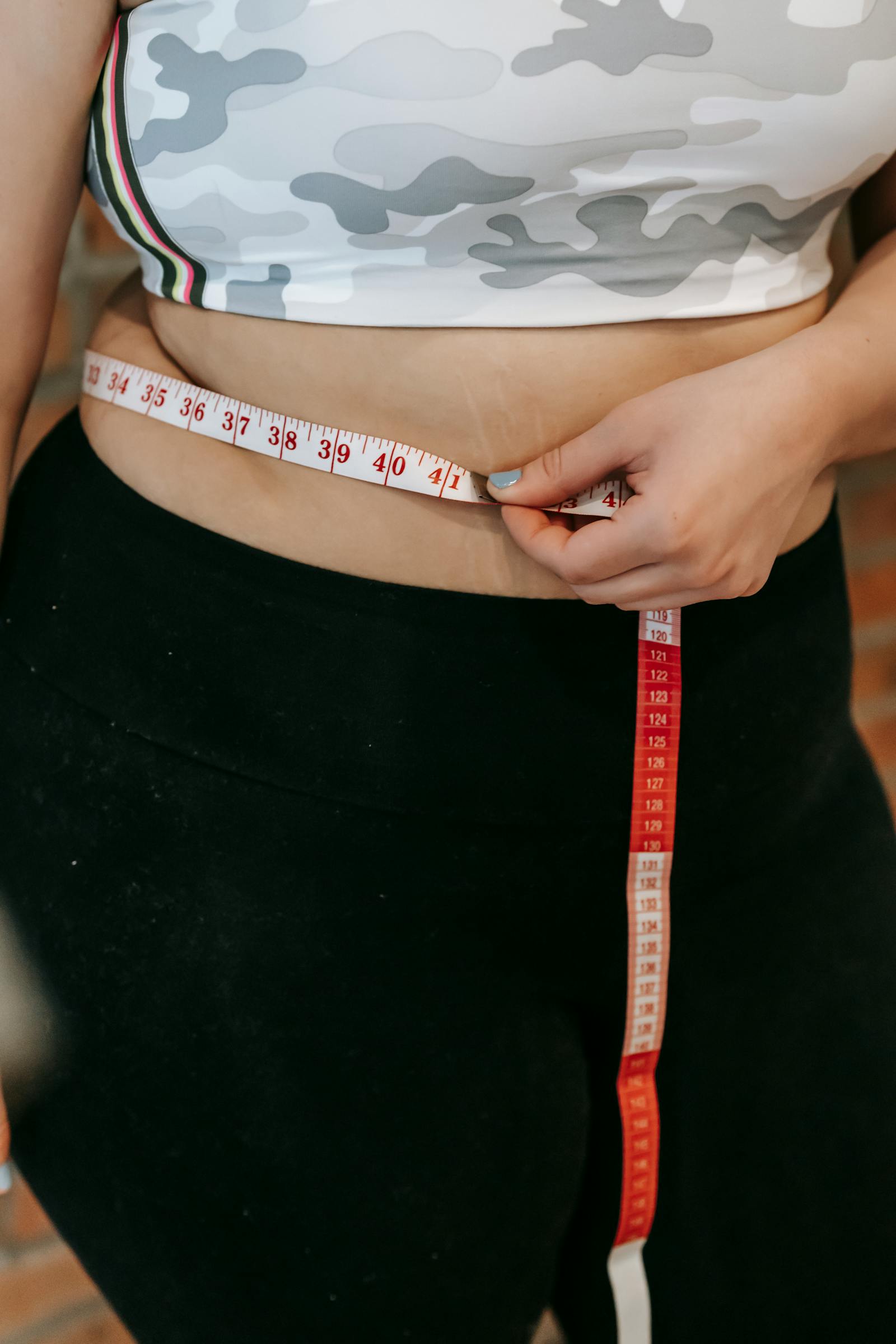
Use a tape measure once a week. Track a few lifts. Notice whether you feel less snacky at night. Those signals matter. Belly fat usually comes off slower than people want, but steady progress is still progress.
What not to expect
It helps to be honest here. There is no evidence-based shortcut that melts belly fat after menopause in one area only. Detox teas, endless ab circuits, and starvation diets tend to backfire. You might lose a little weight fast, but if muscle drops and hunger climbs, the rebound is ugly.
Also, supplements should stay in the support role. They are not the foundation. The foundation is still protein, lifting, movement, sleep, and a diet pattern you can live with.

Final takeaway on how to lose belly fat after menopause
How to lose belly fat after menopause comes down to doing a handful of proven things long enough for them to work. Eat more protein. Lift weights. Walk a lot. Sleep better. Cut liquid calories and ultra-processed snacks. Keep cardio in the mix, but do not let it replace resistance training.
That is not flashy advice. It is just the stuff that keeps showing up because it works. If you want a realistic target, aim for smaller changes you can maintain for six months, not desperate changes you cannot maintain for six days.
Related reading
- Slow metabolism symptoms: signs your body is burning less
- Foods that boost metabolism and burn fat
- Best natural appetite suppressant for women
- Natural ways to burn fat without exercise