

Disclosure: This article contains affiliate links. If you buy through them, we may earn a commission at no extra cost to you.
If you are wondering how to improve insulin sensitivity naturally, the short answer is this: make your body respond better to insulin through weight loss if needed, regular movement, better sleep, smarter meals, and a routine you can actually stick with. There is no overnight fix. But there is good evidence that steady lifestyle changes can lower fasting insulin, improve blood sugar control, and reduce your long-term risk of prediabetes and type 2 diabetes.
Insulin resistance means your cells do not respond as well to insulin as they should. Your pancreas tries to keep up by making more. For a while, that compensation works. Then blood sugar starts creeping up. That is why insulin resistance often shows up long before a diabetes diagnosis.
Need extra support while improving insulin sensitivity?
If stubborn cravings, slow metabolism, or low energy keep getting in your way, CitrusBurn is one of the metabolism support options many readers look at alongside diet and exercise changes.
*Affiliate link - we may earn a commission at no extra cost to you
What insulin resistance actually means
Insulin acts like a signal that helps glucose move from your bloodstream into your cells. When that signal gets weaker, your body needs more insulin to do the same job. Over time, that can lead to high insulin levels, rising blood sugar, weight gain around the midsection, and a higher risk of fatty liver disease, prediabetes, and type 2 diabetes.
Get Weekly Health Tips
Join thousands getting evidence-based wellness insights delivered free every week.
🔒 No spam. Unsubscribe anytime.
Common clues include increasing waist size, energy crashes after meals, strong carb cravings, skin tags, acanthosis nigricans, high triglycerides, and blood work showing high fasting glucose or A1C. Still, you cannot diagnose insulin resistance from symptoms alone. Lab testing matters.
How to improve insulin sensitivity naturally with sustainable weight loss
If you carry excess body fat, especially around the abdomen, even modest weight loss can improve insulin sensitivity. You do not need a dramatic transformation. In many people, losing 5 to 10 percent of body weight can make a real difference in glucose control and insulin response.
What works best tends to be boring in the best possible way: a steady calorie deficit, more fiber, enough protein, fewer ultra-processed foods, and a plan you can repeat next month. Crash diets can lower your intake for a few days. They rarely change your metabolic health for long.
One practical way to start is by building meals around protein, vegetables, high-fiber carbs, and healthy fats. That usually leads to better fullness and fewer blood sugar swings than meals built around refined carbs alone.
Exercise improves insulin sensitivity fast, and strength training matters
Exercise is one of the fastest natural ways to improve insulin sensitivity. A single workout can increase insulin sensitivity for hours afterward, and regular training builds on that effect. Reviews in PubMed have repeatedly found that both aerobic training and resistance training can help improve insulin resistance.
Walking after meals is underrated. So is lifting weights two to four times per week. Resistance training is especially useful because muscle acts like a glucose sink. The more muscle tissue you maintain, the better your body can handle incoming carbs.
A good minimum target is 150 minutes per week of moderate activity plus at least two strength sessions. If that sounds like a lot, start smaller. Ten minutes after meals still counts. Two full-body sessions per week still count. Consistency beats heroic bursts.

Want a simpler metabolism support routine?
Lifestyle changes do the heavy lifting. Some people also add a metabolism-focused supplement for extra structure. CitrusBurn is the one tied to this article's topic.
Check today's CitrusBurn offer
*Affiliate link - we may earn a commission at no extra cost to you
How to improve insulin sensitivity naturally through smarter food choices
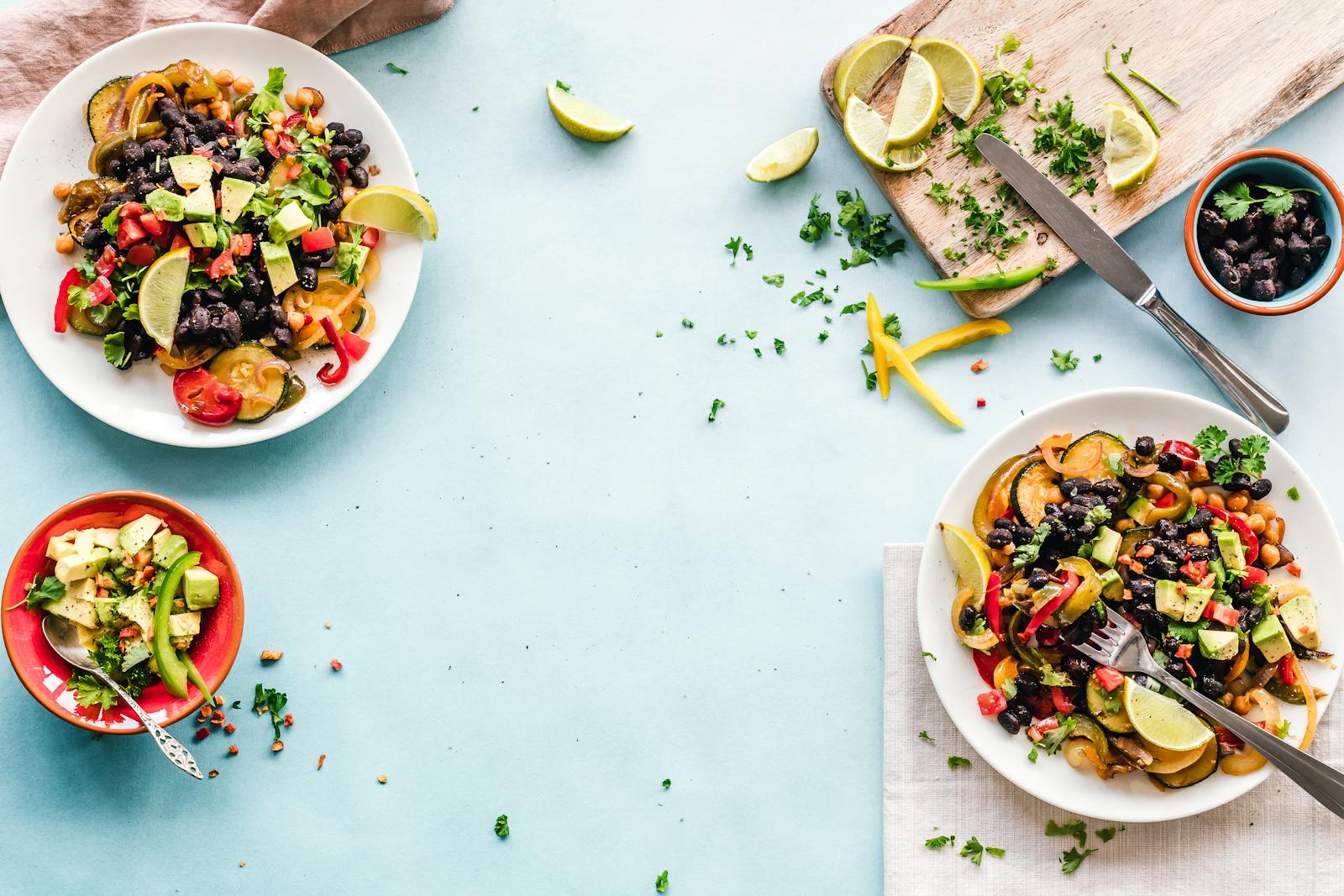
You do not need a perfect diet label. Mediterranean-style eating patterns are well studied because they tend to improve diet quality without becoming weirdly restrictive. That usually means more vegetables, legumes, fruit, nuts, olive oil, fish, and minimally processed foods, with fewer sugary drinks and fewer refined snack foods.
Three food upgrades help most people quickly:
- Increase fiber: Beans, lentils, chia, vegetables, oats, and berries can slow digestion and improve fullness.
- Prioritize protein: Protein at meals can blunt big blood sugar spikes and make overeating less likely later.
- Swap refined carbs for smarter carbs: Think potatoes with the skin, rice paired with protein and vegetables, or Greek yogurt with berries instead of pastries and sweet drinks.
This does not mean you can never eat bread or dessert again. It means your default pattern needs to work in your favor more often than not.
Sleep and stress can quietly keep insulin resistance high
People love to focus on food and ignore sleep. That is a mistake. Poor sleep can make insulin resistance worse, increase hunger, and make cravings harder to manage the next day. The same goes for chronic stress, which can push blood sugar higher through stress hormones and poor recovery.
If your sleep is inconsistent, fix that before chasing exotic supplements. Start with a regular sleep window, darker evenings, less alcohol, less late-night scrolling, and a cooler bedroom. If you snore heavily, wake up exhausted, or fall asleep during the day, ask your doctor about sleep apnea. Untreated sleep apnea can make blood sugar control much harder.
For stress, keep it simple. Walk daily. Lift weights. Get outside. Cut caffeine if it makes you jittery. Use breath work if it helps, but do not turn stress management into another full-time job.
Supplements can support the plan, but they do not replace it
A lot of people searching how to improve insulin sensitivity naturally are really asking a harder question: is there something I can buy that will speed this up? Maybe. But supplements are secondary. Your main levers are still movement, body composition, sleep, and food quality.
If you want extra support while working on those basics, a metabolism-focused product like CitrusBurn may fit the topic better than random blood sugar hacks pulled from social media. Just keep your expectations grounded. No supplement can outwork chronic overeating, poor sleep, and zero movement.
When to see a doctor instead of trying to self-manage everything
Natural strategies help a lot, but they are not a replacement for medical care. Talk with a clinician if you have fasting glucose in the prediabetes or diabetes range, unexplained fatigue, frequent urination, strong thirst, blurred vision, or a family history that puts you at higher risk. You may need labs such as fasting glucose, A1C, fasting insulin, lipids, liver enzymes, or an oral glucose tolerance test.
Medical conditions like PCOS, sleep apnea, fatty liver disease, and certain medications can also worsen insulin resistance. If one of those is driving the problem, lifestyle changes still matter, but they may not be enough on their own.
A realistic 30-day plan to start reversing insulin resistance naturally
- Walk for 10 to 15 minutes after one or two meals each day.
- Lift weights or do resistance training twice per week.
- Build breakfast and lunch around protein plus fiber.
- Replace sugary drinks with water, tea, or zero-calorie options.
- Set a consistent sleep and wake time for the next 30 days.
- Track waist size, energy, and fasting glucose if your doctor recommends it.
That is enough to change direction. You do not need a biohacking bunker. You need a plan you will still follow next Tuesday.
Ready to make your plan easier to stick with?
You do not need a miracle product. You need consistent habits. If you want to pair those habits with a metabolism support option, CitrusBurn is the recommended fit for this topic.
*Affiliate link - we may earn a commission at no extra cost to you
Final takeaway
How to improve insulin sensitivity naturally comes down to improving the basics that control metabolic health: body composition, movement, sleep, stress, and meal quality. That may sound less exciting than a miracle fix. It is also what tends to work. Start small, repeat the behaviors that move your numbers in the right direction, and get medical guidance when the signs point to something more serious.
Related reading: Can stress and anxiety cause high blood sugar?, best natural sleep remedies for blood sugar control, how deep sleep affects blood sugar and weight loss, and foods that support metabolism naturally.
Sources
- Exercise and insulin resistance in type 2 diabetes mellitus: A systematic review and meta-analysis
- Resistance training and insulin resistance in adults with overweight or obesity: systematic review and meta-analysis
- Exercise and insulin sensitivity: a review
- NIDDK: Insulin resistance and prediabetes overview
- CDC: Preventing type 2 diabetes