
Affiliate disclosure: This article contains affiliate links. If you buy through these links, we may earn a commission at no extra cost to you.
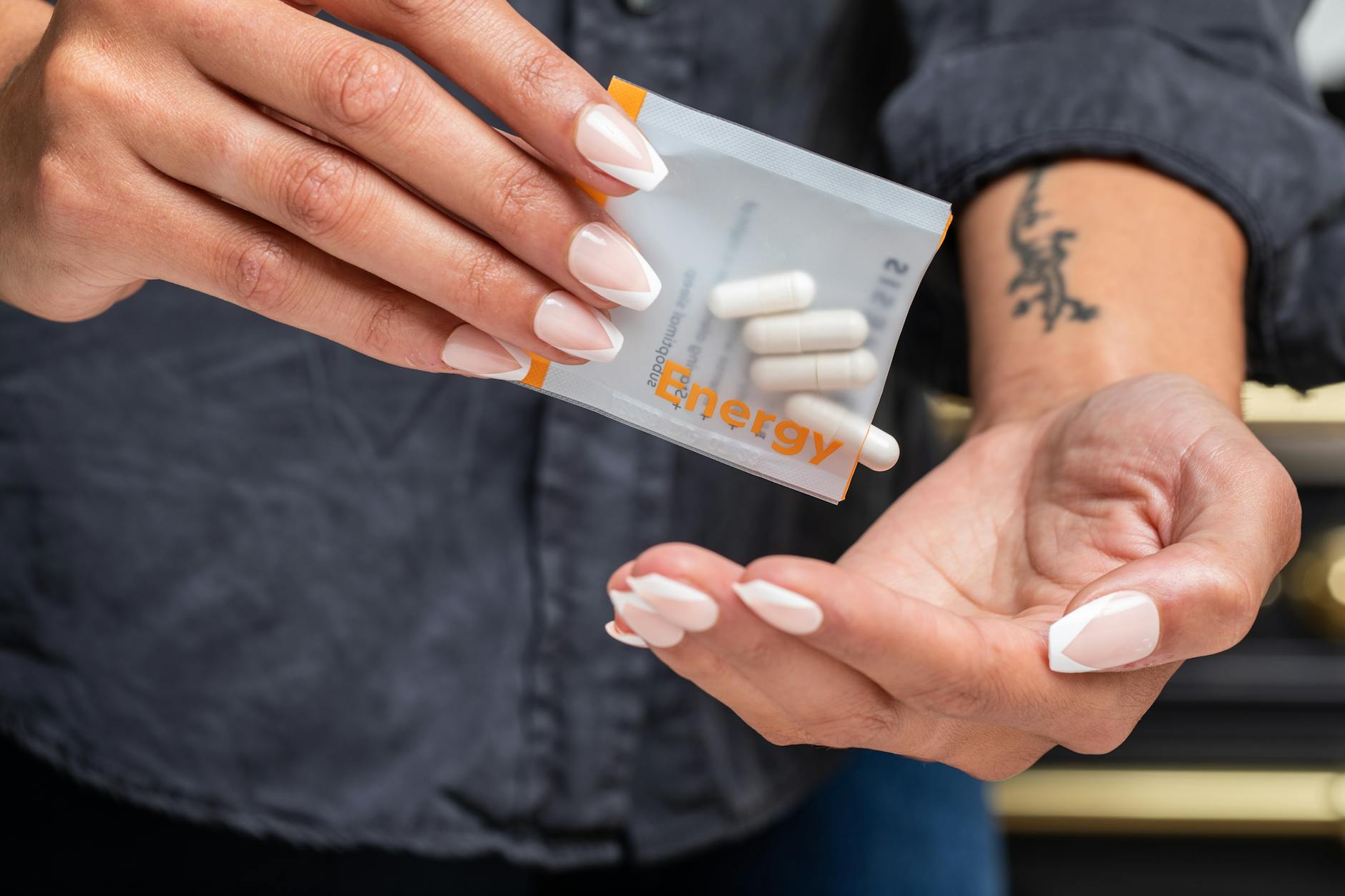
If you are dealing with splitting, peeling, or constantly breaking nails, brittle nails vitamin deficiency may be part of the picture. Nails are made from keratin, and keratin production depends on steady nutrition, especially B vitamins, iron, zinc, vitamin C, vitamin D, and enough protein. Dry weather, frequent handwashing, and nail products can also play a role, but when brittleness sticks around for months, your nutrient status is worth a closer look.
Brittle Nails Vitamin Deficiency: 6 Nutrient Gaps That Commonly Show Up in Nails
Not every weak nail means a deficiency, but patterns matter. If nails peel in layers, snap with minor pressure, or grow with ridges and surface changes, your body may be missing key building blocks. Below are the six most common deficiencies connected to brittle nails and what to do about each one.
Get Weekly Health Tips
Join thousands getting evidence-based wellness insights delivered free every week.
🔒 No spam. Unsubscribe anytime.
Need extra support while you rebuild nail strength?
Metanail Complex combines targeted nutrients often linked to brittle, weak nails and slow growth.
*Affiliate link - we may earn a commission at no extra cost to you
1) Biotin (Vitamin B7)
What it does: Biotin helps your body metabolize fats, carbs, and protein, and it supports keratin infrastructure in hair and nails.
How low levels affect nails: In people with brittle nail syndrome, biotin has been studied for improving nail firmness and reducing splitting. One clinical report found increased nail plate thickness after biotin use in participants with fragile nails.
Food sources: Egg yolks, salmon, liver, nuts, seeds, legumes, and sweet potatoes.
Supplement option: Many studies on brittle nails used 2.5 mg (2,500 mcg) daily. Improvements usually take 3 to 6 months because fingernails grow slowly.
2) Iron
What it does: Iron helps red blood cells carry oxygen. Nail matrix cells need oxygen and nutrients to produce strong keratin layers.
How low levels affect nails: Iron deficiency can lead to brittle, thin nails and in more advanced cases spoon-shaped nails, called koilonychia. This is one of the classic nutrient-linked nail signs in clinical practice.
Food sources: Lean red meat, lentils, beans, spinach, pumpkin seeds, tofu, and fortified cereals.
Supplement option: Iron supplements should be guided by labs such as ferritin, hemoglobin, and transferrin saturation. Too much iron can be harmful, so avoid guessing doses.
3) Vitamin D
What it does: Vitamin D supports skin and immune function and plays a role in cell growth and differentiation, including tissues that support nail formation.
How low levels affect nails: The evidence is less direct than iron or biotin, but low vitamin D status has been associated with several nail disorders in observational work. In practice, deficiency can show up alongside slow growth and poor nail quality.
Food sources: Fatty fish, egg yolks, fortified milk, fortified plant milks, and UV-exposed mushrooms.
Supplement option: D3 dosing should be based on 25(OH)D blood levels and clinician guidance.
4) Vitamin C
What it does: Vitamin C is required for collagen synthesis. Collagen supports the tissues under and around the nail unit.
How low levels affect nails: Prolonged deficiency can weaken connective tissue quality, which may contribute to fragile nails and slower repair of damaged tissue.
Food sources: Bell peppers, citrus, kiwi, strawberries, broccoli, and Brussels sprouts.
Supplement option: A moderate daily vitamin C supplement can help if intake is low, but food-first approaches are often enough for many adults.
5) Zinc
What it does: Zinc supports DNA synthesis, cell turnover, and tissue repair. These processes are critical for normal nail growth.
How low levels affect nails: Zinc deficiency is linked to brittle nails, Beau lines, and white spots in some cases. Because zinc is involved in rapid cell division, low intake can show up in nail texture changes.
Food sources: Oysters, beef, pumpkin seeds, chickpeas, yogurt, and cashews.
Supplement option: Short-term zinc can help when deficiency is confirmed, but chronic high-dose zinc can lower copper status. Balance matters.
6) Protein and Keratin Building Blocks
What it does: Nails are mostly keratin, a structural protein. Low protein intake means fewer raw materials to build durable nail plates.
How low levels affect nails: Inadequate protein can cause slower growth and increased breakage over time, especially if calories are also too low.
Food sources: Fish, poultry, eggs, Greek yogurt, beans, lentils, tofu, and cottage cheese.
Supplement option: If appetite is low or intake is inconsistent, a daily protein shake can help close the gap.
How to Know Which Brittle Nails Vitamin Deficiency You May Have
Nails rarely tell the whole story alone. The best approach combines nail patterns, symptoms, diet history, and blood tests. Still, these clues can point you in the right direction:
- Possible iron issue: fatigue, shortness of breath, pale skin, hair shedding, spoon-shaped nails.
- Possible zinc issue: slow wound healing, lower appetite, frequent infections, white marks or ridges.
- Possible biotin or protein gap: weak nails plus thinning hair, low-protein diet, frequent meal skipping.
- Possible vitamin C gap: easy bruising, gum bleeding, rough skin, delayed tissue healing.
- Possible vitamin D gap: low mood, bone discomfort, muscle weakness, low sun exposure.
Ask your clinician for targeted labs, not random mega-dose supplements. Useful tests often include CBC, ferritin, iron panel, 25(OH)D, zinc, B12, folate, and thyroid markers when symptoms suggest overlap. Nail brittleness can also come from thyroid disease, eczema, fungal changes, repeated polish remover use, or constant wet-to-dry cycles.
If you are also working on broader nutrient recovery, this guide on best vitamins for nerve regeneration can help you understand how micronutrients interact across different tissues.
Your nails are slow to change, stay consistent
A targeted formula plus protein-rich meals can support stronger growth over the next few nail cycles.
*Affiliate link - we may earn a commission at no extra cost to you
How to Fix Brittle Nails From Vitamin Deficiency
You do not need a complicated 20-step plan. You need consistency for at least 12 to 16 weeks, because nails grow about 2 to 3 millimeters per month.
- Start with food quality first. Build meals around protein plus produce. Aim for a palm-size protein serving at each meal and at least one vitamin C rich food daily.
- Pair iron with vitamin C. Add citrus, bell peppers, or berries to iron-rich meals to improve absorption.
- Protect nails from water and solvents. Wear gloves for dishes and cleaning, limit acetone exposure, and moisturize cuticles twice daily.
- Avoid over-buffing and aggressive manicures. Repeated trauma can mimic deficiency-related brittleness.
- Use supplements strategically. Choose products with evidence-based doses, then reassess after a full nail growth cycle.
- Track progress with photos. Weekly nail photos in the same lighting help you notice subtle improvements.
Mineral status is often interconnected, so improving magnesium and mineral absorption can support your broader nutrition strategy.
For whole-body prevention habits, bookmark this natural health guide and build one new routine each week.
If your long-term goal includes stronger bones and nails together, this article on how to increase bone density naturally is a practical next read.
Key Takeaways
Brittle nails are common, but persistent breakage is often a signal, not just a cosmetic annoyance. The most frequent nutrition links are biotin, iron, zinc, vitamin C, vitamin D, and low protein intake. The fix is usually straightforward: test first, correct true deficiencies, protect nails from daily damage, and stay consistent long enough to see new growth replace old brittle nail plate.
Most people quit too early. Give your plan at least 3 months, preferably 6, and track progress. Stronger nails are usually built through steady habits, not quick hacks.
Ready to strengthen brittle nails from the inside out?
If brittle nails vitamin deficiency is slowing your progress, a targeted daily formula can help support stronger, healthier growth.
*Affiliate link - we may earn a commission at no extra cost to you
Research Sources
- Colombo VE et al. Biotin treatment for brittle nails. PubMed.
- Review discussing koilonychia and iron deficiency signs. PubMed.
- Iron deficiency and nail changes, clinical observations. PubMed.
- Vitamin D status and nail disorder associations. PubMed.
- Harvard T.H. Chan School of Public Health, Vitamin C overview.